You Won’t Believe What I Found on Thailand’s Hidden Island
Tucked away in the Andaman Sea, Koh Lipe feels like a secret the world hasn’t fully discovered. I came for the beaches, but stayed for something deeper—the island’s quiet artistry woven into everyday life. From hand-carved wooden signs to vibrant textiles fluttering in the sea breeze, creativity lives here in the most unexpected ways. This isn’t mass-produced tourism—it’s culture in motion. Every fishing net mended with precision, every batik pattern dyed with care, tells a story older than the tourist trails. Koh Lipe offers more than postcard views; it invites travelers to witness a living culture shaped by generations of seafarers, artisans, and families rooted in tradition. Here, beauty is not staged—it emerges naturally, quietly, and with profound grace.
First Impressions: Stepping Into a Living Postcard
Arriving by longtail boat, the first view of Koh Lipe unfolds like a dream painted in shades of turquoise and white. Sunrise Beach stretches before you, its powdery sand glowing under the morning sun, lapped by water so clear it mirrors the sky. Palm trees sway gently along the shoreline, their fronds rustling in rhythm with the waves. For many visitors, this is the image that draws them—a pristine tropical escape far from city noise and routine. But what sets Koh Lipe apart is not just its physical beauty, but the way life unfolds beneath the surface of these picture-perfect scenes.
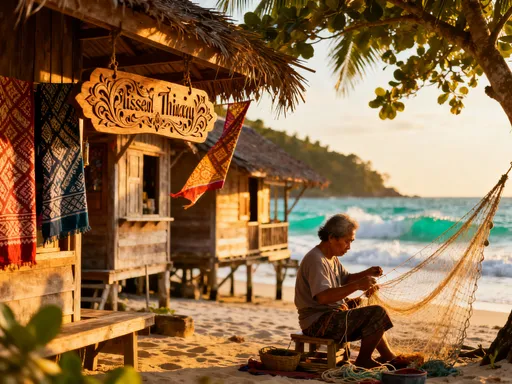
Unlike larger Thai islands crowded with high-rise resorts and commercial streets, Koh Lipe maintains a sense of intimacy and authenticity. There are no traffic lights, few motor vehicles, and most pathways are sand-covered footpaths winding between bungalows and family-run shops. The pace of life follows the tides, not timetables. Locals greet each other by name, children play barefoot near open-air kitchens, and elders sit under shaded porches mending fishing nets. These quiet moments reveal a community deeply connected to its environment and heritage.
Even the architecture reflects a thoughtful harmony with nature and tradition. Many beachfront accommodations are built using sustainably sourced wood and topped with palm-thatch roofs handwoven by local craftsmen. Furniture inside is often carved from reclaimed driftwood, shaped into tables, chairs, and shelves with simple elegance. Shop signs are painted by hand, their letters stylized with floral motifs or nautical themes. These details may seem minor, but they form a collective language of craftsmanship that speaks volumes about the island’s values.
First impressions matter because they shape how open a traveler is to deeper engagement. When visitors arrive expecting only sunbathing and snorkeling, they might overlook the cultural richness around them. But when those same travelers pause to notice how a roof is thatched or how a menu is handwritten in flowing script, curiosity begins to grow. That moment of attention—of truly seeing—opens the door to meaningful connection. On Koh Lipe, beauty is not just seen; it’s felt, heard, and lived.
The Art of Daily Life: Culture Beyond Galleries
On Koh Lipe, art does not live behind glass cases or in climate-controlled galleries. Instead, it pulses through daily routines, embedded in the way people dress, cook, build, and communicate. The island’s cultural identity is shaped by a blend of Thai, Malay, and Orang Laut (sea nomad) traditions, each contributing to a unique aesthetic that values function, symbolism, and beauty in equal measure. What might appear at first glance as simple decoration often carries deeper meaning—patterns passed down through generations, techniques refined over decades, colors chosen for their connection to nature or spiritual belief.
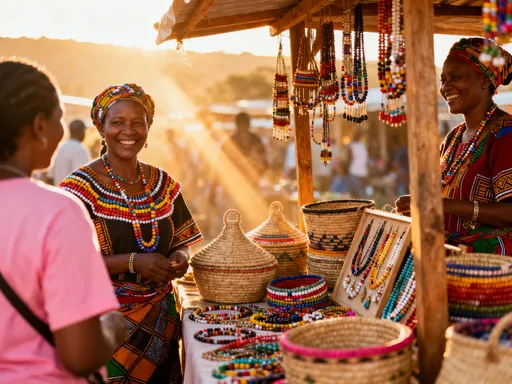
One of the most visible expressions of this living artistry is found in traditional Malay textiles, particularly batik. Women on the island often wear sarongs or blouses featuring intricate hand-stamped designs in earthy reds, deep indigo, and warm ochres. Each pattern tells a story—some inspired by ocean waves, others by jungle vines or ancestral symbols. These fabrics are not costumes worn for tourists; they are part of everyday life, a quiet assertion of identity. Watching a grandmother fold her batik sash with care before stepping into a longtail boat is to witness culture preserved not through performance, but through practice.
Another form of functional artistry is the meticulous repair of fishing nets. For the Orang Laut communities who have lived on these waters for centuries, net mending is both a necessity and a skilled craft. Sitting on wooden platforms near the shore, fishermen and women weave broken strands back together with rhythmic precision. The patterns they create while knotting are not random—they follow inherited methods that ensure strength and durability. Some elders describe the process as meditative, a way of staying connected to ancestors who once navigated these seas without maps.
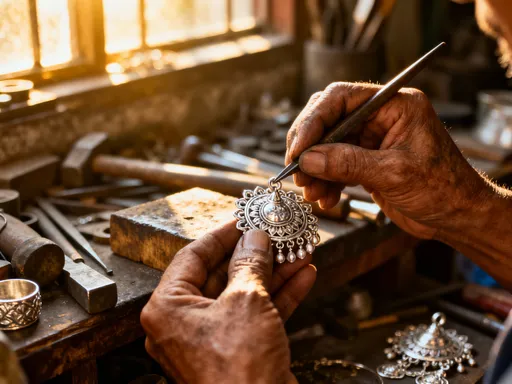
Even shop signs, often painted directly onto wooden boards, reflect a local artistic sensibility. Lettering is stylized, sometimes incorporating floral borders or marine motifs like fish, shells, or coral. These signs are rarely mass-produced; instead, they are created by resident artists who take pride in their work. One such artist, a retired schoolteacher named Khun Noi, explained during a conversation that he sees his sign painting as a form of storytelling. “Each letter has weight,” he said. “It must be balanced, clear, and respectful to the business it represents.” This attention to detail underscores a broader philosophy: that beauty should serve purpose, and purpose should never be rushed.
Creative Spaces: Where Tradition Meets Expression
While much of Koh Lipe’s artistry happens organically in homes and streets, there are also dedicated spaces where creativity is nurtured and shared. Small workshops and open-air studios dot the island, offering visitors a chance to observe—and sometimes participate in—the making of traditional crafts. These spaces are not designed for spectacle; rather, they function as quiet hubs of cultural transmission, where elders pass skills to younger generations and outsiders are welcomed as respectful observers.
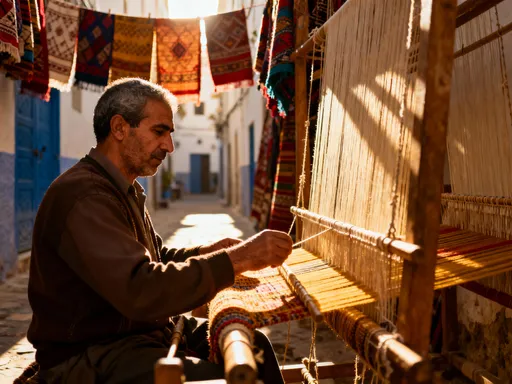
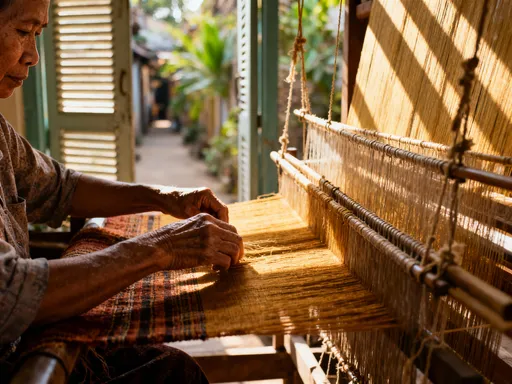
One such space is a community-run weaving center located near Pattaya Beach. Run by a group of Malay women, the center teaches young girls how to weave palm fibers into baskets, mats, and decorative items. The process begins with harvesting and drying the leaves, then splitting them into fine strands. Weaving follows specific patterns, some used for carrying fish, others for ceremonial purposes. The women emphasize patience and precision, noting that a single mistake can unravel hours of work. Yet mistakes are also seen as part of learning—a reminder that imperfection is human, and growth comes with time.
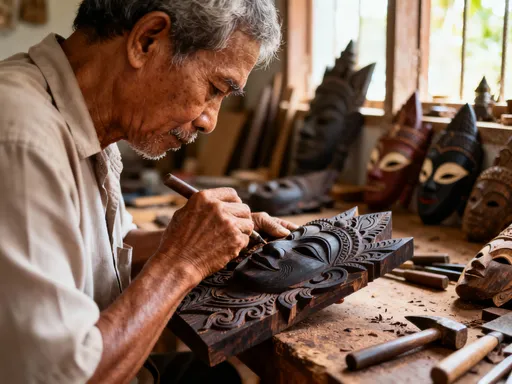
Wood carving is another craft preserved through local initiatives. A modest workshop near Sunrise Beach hosts weekly sessions where children learn to carve small figurines, spoons, and decorative panels using traditional tools. The instructor, a soft-spoken man named Khun Somsak, explains that carving is more than shaping wood—it’s about listening to the grain, respecting the material, and allowing the form to emerge naturally. His students range from island-born children to visiting families, all drawn by the tactile joy of creation. Some of the finished pieces are sold at local markets, with proceeds supporting youth education programs.
Eco-resorts on the island also play a role in sustaining cultural expression. Several properties have integrated traditional design elements into their architecture and guest experiences. One resort features bungalows adorned with hand-carved lintels depicting local legends, while another offers guests the chance to join a batik-dyeing session led by a Malay artisan. These programs are developed in collaboration with residents, ensuring that cultural representation remains authentic and benefits the community directly. Importantly, these efforts avoid commodifying tradition—they do not turn sacred symbols into souvenirs or reduce complex practices to photo ops.
The ethical dimension of cultural tourism is never far from conversation. Residents acknowledge that increased visitor interest brings economic opportunity, but also risks dilution or misrepresentation. To counter this, many artists and community leaders advocate for slow, mindful engagement. They encourage visitors to ask questions, to credit creators, and to support locally made goods rather than imported imitations. In doing so, Koh Lipe demonstrates that cultural preservation is not about freezing tradition in time, but about allowing it to evolve with integrity.
Festivals and Rhythms: Seasonal Expressions of Identity
Throughout the year, Koh Lipe’s cultural heartbeat becomes especially audible during seasonal festivals that blend celebration, spirituality, and community. The most prominent of these is the annual Koh Lipe Sea Festival, held each spring to honor the island’s maritime heritage. While designed to welcome visitors, the event remains rooted in local customs, featuring traditional Malay music, dance performances, boat blessings, and communal feasts. Unlike commercialized festivals elsewhere, this gathering feels intimate and sincere, a reflection of shared gratitude for the sea that sustains life on the island.
Central to the festival are performances of dikir barat, a form of rhythmic vocal music accompanied by hand drums and clapping. Groups of men and women take turns singing call-and-response verses that recount stories of fishing voyages, family bonds, and the beauty of island life. The lyrics are often poetic, filled with metaphors drawn from nature—waves as messengers, tides as teachers, fish as symbols of abundance. Children participate alongside elders, learning not just the songs, but the values embedded within them: respect, cooperation, humility.
Dance is another vital expression of identity. During the festival, performers wear traditional Malay attire—colorful baju kurung for women and songket-patterned sarongs for men—as they move in synchronized patterns mimicking ocean currents and bird flight. The movements are graceful yet grounded, echoing the balance required to live in harmony with nature. Some dances are centuries old, passed down orally and through demonstration. Others have been gently adapted to include younger participants, ensuring continuity without sacrificing authenticity.
While the Sea Festival is public, other traditions remain private, observed within families or religious contexts. Islamic holidays such as Eid al-Fitr are marked with quiet gatherings, prayers at the island’s mosque, and shared meals. Visitors are not excluded, but participation is by invitation only—a reminder that some aspects of culture are not meant for display. This distinction between public celebration and private practice reflects a deep understanding of cultural boundaries, one that travelers are encouraged to honor.
For those wishing to engage respectfully, the key lies in observation, patience, and humility. Asking permission before taking photographs, dressing modestly when near religious sites, and refraining from interrupting rituals are small but meaningful acts of respect. When done right, cultural exchange becomes reciprocal—visitors gain insight, and locals feel valued rather than performed for. In this delicate balance, Koh Lipe offers a model of how tourism can coexist with tradition.
Culinary Canvas: Flavor as Cultural Art
If culture is expressed through sight and sound, it is equally revealed through taste. On Koh Lipe, food is not merely sustenance—it is a canvas of flavor, color, and memory. Street vendors, home kitchens, and family-run restaurants serve dishes that reflect centuries of culinary fusion, blending Thai spices with Malay cooking techniques and indigenous seafood knowledge. Every bite tells a story: of monsoon rains, of ancestral recipes, of daily life shaped by the rhythms of the sea.
One of the most beloved dishes is kaeng som, a fiery orange curry made with tamarind, turmeric, and fresh chili. Unlike the coconut-based curries common in mainland Thailand, kaeng som is tangy and light, often prepared with fish caught that morning. Served with steamed jasmine rice, it is both nourishing and invigorating—a taste of the island’s bold spirit. Another staple is roti, a flaky flatbread introduced through Malay influence, typically served with sweetened condensed milk or savory curry dips. Watching a vendor stretch and spin the dough by hand is itself a performance, a dance of flour, oil, and muscle memory.
Cooking classes offered by local women provide an immersive way to explore this culinary heritage. Held in open-air kitchens shaded by banana leaves, these sessions begin with a visit to the morning market, where participants select fresh ingredients—mangoes still warm from the sun, bundles of lemongrass, plump prawns glistening on ice. Back in the kitchen, instructors demonstrate traditional methods: grinding spices with a mortar and pestle, balancing sour and sweet flavors, layering aromatics in the correct order. More than technique, they share stories—how a particular recipe was learned from a grandmother, how certain ingredients are reserved for special occasions, how food binds families together across generations.
These classes are not just about cooking; they are acts of cultural preservation. As younger islanders move toward modern careers, there is concern that traditional knowledge may fade. By teaching visitors, local women ensure that these recipes—and the values behind them—continue to be valued. Participants leave not only with a handwritten recipe card, but with a deeper appreciation for the care and history embedded in each dish. In this way, a simple meal becomes a bridge between cultures, a shared language of flavor and generosity.
Traveler’s Guide: How to Discover Koh Lipe’s Soul
For those seeking to experience Koh Lipe beyond its beaches, timing and intention are everything. The best period for cultural immersion is during the shoulder months—between November and February—when the weather is dry but crowds are smaller. Arriving outside peak holiday weeks allows for quieter interactions, more space at local events, and greater access to artisans and community activities. Booking accommodations in advance is recommended, particularly at eco-conscious lodges that prioritize sustainability and cultural respect.
Exploration should begin on foot. The island is small enough—just two kilometers long—that walking allows travelers to notice details often missed from a speedboat or motorbike. Guided walking tours led by residents offer insightful narratives about local history, architecture, and daily life. These tours avoid scripted scripts in favor of personal stories, creating a sense of connection that transcends typical tourism. Small-group workshops in batik, weaving, or cooking provide hands-on engagement while directly supporting local livelihoods.
When shopping, look for authenticity. Locally made crafts—such as handwoven baskets, carved wooden spoons, or naturally dyed textiles—are often sold at community centers or family-run stalls. These items may cost slightly more than mass-produced souvenirs, but they carry the weight of genuine skill and intention. Avoid purchasing goods labeled as “traditional” that feature generic or inaccurate designs; these are often imported imitations that undermine local artisans.
Transportation on the island remains refreshingly simple. Most visitors rely on walking, cycling, or short rides in shared longtail boats. There are no rental cars, and motorbikes are limited, helping preserve the island’s peaceful atmosphere. For inter-island travel, ferries operate regularly from Satun or Koh Lanta, with journey times ranging from 90 minutes to two hours depending on conditions. Booking through reputable operators ensures safety and reliability.
Accommodation options vary from basic bungalows to eco-resorts with solar power and rainwater harvesting systems. Choosing places that employ local staff, source food regionally, and contribute to community projects supports sustainable tourism. Some properties even offer cultural evenings where guests can listen to music, watch dance demonstrations, or join storytelling sessions. These experiences are not staged for entertainment alone—they are invitations to understand, appreciate, and connect.
Why This Island Matters: The Bigger Picture of Cultural Travel
Koh Lipe is more than a tropical getaway; it is a living example of how culture can thrive even in the face of globalization. In an era when many destinations risk becoming homogenized—where local character is replaced by generic resorts and imported trends—Koh Lipe stands as a quiet resistance. Its people have chosen not to erase tradition for convenience, but to adapt it with care. They welcome visitors not as consumers, but as guests—temporary members of a community with its own rhythms, values, and wisdom.
The traveler’s role in this ecosystem is both powerful and delicate. Every choice—to support local artisans, to respect sacred spaces, to learn rather than assume—contributes to either preservation or erosion. Mindful tourism is not about perfection; it is about intention. It means slowing down, listening more than speaking, and recognizing that beauty exists not only in landscapes, but in the hands that shape them.
By choosing to see beyond the beach, travelers help protect intangible heritage—skills, stories, songs, and recipes that cannot be rebuilt once lost. They become stewards of culture, not just spectators. And in return, they receive something rare: a genuine connection, a moment of clarity, a memory that lingers long after the tan has faded.
Koh Lipe is not a destination to be conquered or checked off a list. It is a living canvas, constantly evolving, quietly resilient. It reminds us that the most meaningful journeys are not measured in miles, but in moments of understanding. So come for the sand and sea, but stay for the stories. Let the island reveal itself not through postcards, but through people. Because sometimes, the greatest discoveries are not what you find on a map—but what you find within yourself when you truly see a place for what it is.