This Is Why Garden Route Culture Will Blow Your Mind
You know that feeling when a place surprises you with more than just scenery? The Garden Route in South Africa isn’t just coastal views and forests—it’s alive with culture. From vibrant township rhythms to artisan markets buzzing with creativity, I was hooked from day one. This journey wasn’t about ticking landmarks—it was about connection, color, and real moments. If you think this route is just for nature lovers, think again. Along South Africa’s southern coastline, stretching from Mossel Bay to Storms River, lies a corridor where natural beauty and cultural richness walk hand in hand. Here, every village, market, and melody tells a story shaped by centuries of resilience, creativity, and community. It’s a place where travelers don’t just observe—they belong, even if just for a day.
Beyond the Postcard: The Living Culture of the Garden Route
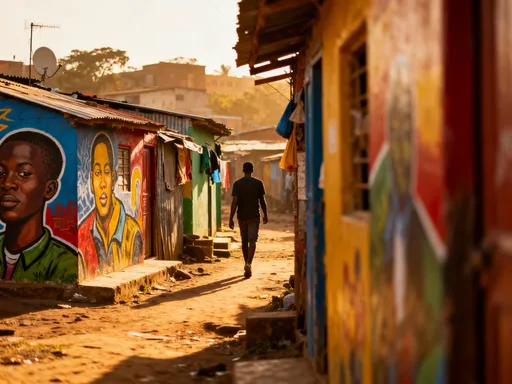
The Garden Route has long been celebrated for its emerald forests, turquoise lagoons, and winding coastal roads. But beyond the glossy brochures lies a deeper, more enduring truth: this region thrives on culture as much as on landscape. While many visitors come for the Tsitsikamma cliffs or the Knysna Heads, they often leave having discovered something far more powerful—the warmth of human connection. Townships like Thembalethu near Knysna and Pacaltsdorp near George are not detours from the scenic route; they are central to its soul. These communities pulse with music, art, and traditions passed down through generations. Street corners echo with impromptu drum circles, and brightly painted homes display murals that narrate local pride and history.
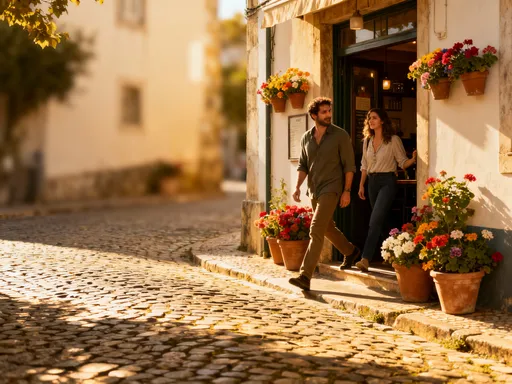
What makes the cultural experience along the Garden Route so unique is its accessibility and authenticity. Unlike curated performances staged solely for tourists, the rhythm here is lived. A morning walk through a local market might lead to an invitation to share tea with a craftswoman, or a chance to watch a Xhosa elder teach children traditional dance steps in a community hall. This is not performance—it is daily life, rich with meaning and expression. Travelers who embrace this side of the route often find their perceptions shifting. The journey becomes less about capturing the perfect photo and more about understanding the people who call this place home.
Community-led initiatives have played a vital role in opening these cultural doors. Guided township tours, offered by local cooperatives, allow visitors to explore with respect and purpose. These experiences emphasize storytelling, shared meals, and hands-on participation—whether learning to bead, tasting homemade bread, or listening to gospel choirs in small neighborhood churches. The result is a form of tourism that benefits both host and guest. For the traveler, it’s an invitation to see beyond the surface. For the community, it’s a way to share heritage on their own terms, while generating sustainable income.
Where Tradition Meets Today: Authentic Cultural Hotspots
Scattered along the Garden Route are cultural anchors—places where heritage is not preserved behind glass but lived in the open air. One such place is Plettenberg Bay, where indigenous Khoi and San influences blend with coastal traditions. Here, seasonal storytelling events bring together elders and youth to recount myths of the sea, the mountains, and the first people of the land. These gatherings, often held in community centers or under ancient milkwood trees, offer a rare window into oral histories that have shaped local identity for centuries.
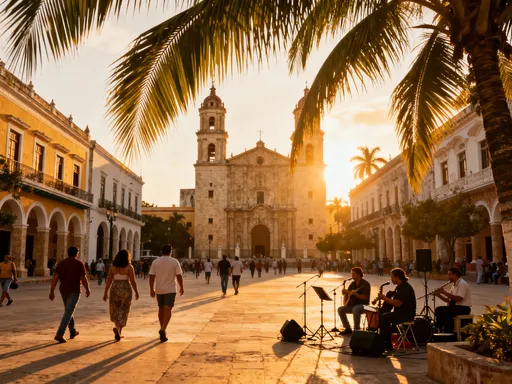
Further east, Knysna stands out as a cultural hub. Known for its oyster festival and scenic lagoon, the town also hosts the annual Knysna Arts Festival, a week-long celebration of music, theater, and visual art. Local galleries showcase work from Xhosa bead artists, mixed-media sculptors, and painters inspired by the fynbos-covered hills. What sets these events apart is their inclusivity—locals and visitors mingle freely, artists welcome questions, and performances often invite audience participation. It’s not uncommon to see families dancing together in the town square, guided by drummers in traditional attire.
In Mossel Bay, the Diaz Museum Complex offers a historically grounded cultural experience. While it commemorates early Portuguese exploration, the museum increasingly emphasizes the lives and contributions of the indigenous people who were here long before any ship arrived. Interactive exhibits, community-curated displays, and seasonal cultural days allow visitors to engage with narratives that are often overlooked in mainstream history. Nearby, the Santos Beach Market comes alive every weekend with vendors selling handmade crafts, local spices, and traditional clothing. It’s a place where culture is not explained but experienced—through scent, sound, and touch.
Equally compelling are the smaller, less-publicized gatherings in rural villages along the route. In Herold, a farming community between George and Riversdale, annual harvest festivals celebrate the region’s agricultural roots. Families gather to share food, music, and dance, often blending Cape Malay rhythms with Xhosa melodies. These events are rarely advertised internationally, yet they offer some of the most genuine cultural moments available. For the respectful traveler, attending such a gathering—often by invitation or through a local guide—can be a highlight of the journey.
Festivals That Move the Soul: Seasonal Celebrations Worth Timing Your Trip For
One of the most powerful ways to experience Garden Route culture is through its festivals—seasonal events that transform towns into stages of joy, tradition, and community pride. The Knysna Oyster Festival, held each June, is perhaps the most famous. While centered on seafood, it has evolved into a multidimensional celebration of local life. Over ten days, the town buzzes with live music, art exhibitions, marathons, and culinary demonstrations. But beyond the oysters, it’s the cultural performances that leave a lasting impression—drumming troupes, school choirs, and dance groups from surrounding townships take turns on stage, each bringing their unique flavor to the festivities.
What makes this festival special is its grassroots energy. Many performers are amateurs—teachers, students, shopkeepers—who rehearse for months in community halls. Their passion is palpable, and the audience responds with enthusiasm. Travelers are not just spectators; they’re welcomed into the celebration. Workshops on traditional drumming or dance are often available, and food stalls serve everything from grilled snoek to malva pudding, prepared by local families using recipes passed down for generations.
Equally moving are the smaller, community-based events that dot the calendar. In George, the annual George Folk Festival celebrates the region’s musical diversity, from Afrikaans folk songs to Xhosa praise poetry. Held in a public park, the festival creates a relaxed, inclusive atmosphere where grandparents dance with grandchildren and strangers share picnic blankets. Similarly, the Wilderness Music Festival, set against the backdrop of lakes and forests, combines environmental awareness with cultural expression. Local artists perform original songs in isiXhosa and English, often weaving in stories of conservation and community.
For those planning a visit, timing can make all the difference. The peak festival season runs from late spring to early winter—October through July—with most major events clustered between November and June. Booking accommodations several months in advance is advisable, especially in Knysna and Plettenberg Bay. More importantly, travelers should approach these events with humility. While participation is encouraged, it’s essential to observe local customs—applauding at the right moments, dressing modestly when entering community spaces, and always asking before taking photographs of performers or families.
Meet the Makers: Handicrafts, Markets, and Local Artistry
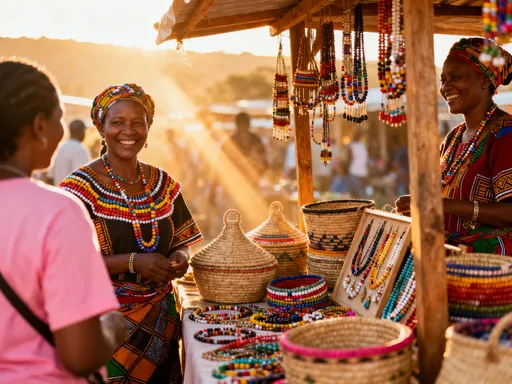
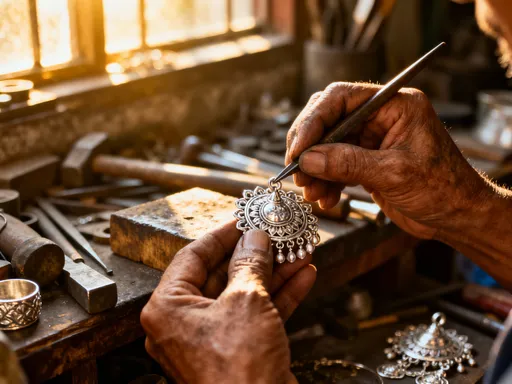
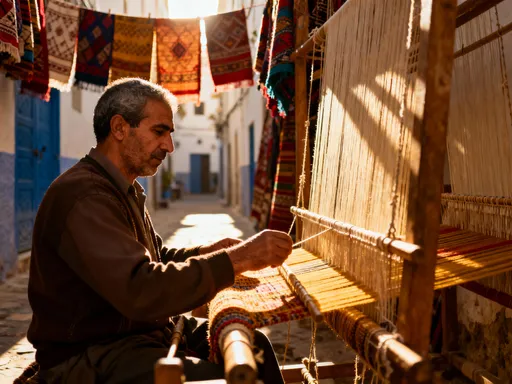
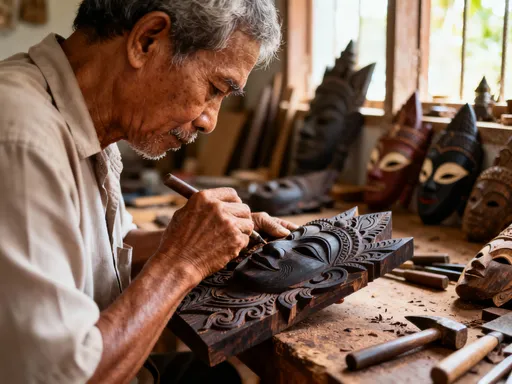
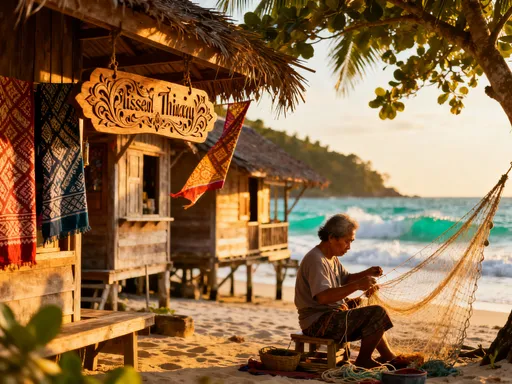
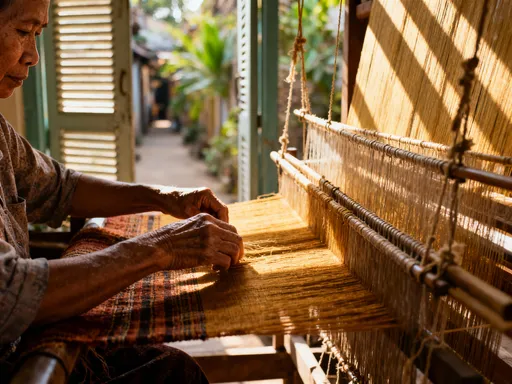
Along the Garden Route, art is not confined to galleries—it spills into markets, roadside stalls, and open-air workshops. One of the most rewarding ways to connect with local culture is through its artisans. In towns like Wilderness, Sedgefield, and Mossel Bay, weekend markets are vibrant hubs of creativity. Here, you’ll find hand-beaded necklaces in bold geometric patterns, woven grass baskets dyed with natural pigments, and clay pottery shaped using techniques unchanged for generations.
Many of these crafts carry deep cultural significance. Xhosa beadwork, for instance, is more than decoration—it communicates messages about identity, age, and social status through color and pattern. A red bead might signify love, while white stands for purity. When travelers take the time to learn these meanings from the makers, a simple purchase becomes a conversation, a bridge between worlds. Artisans often work in cooperatives, such as the Sedgefield Craft Market, where profits are shared and skills are passed down to younger members of the community.
Supporting these artisans isn’t just a shopping experience—it’s an act of ethical tourism. Many families depend on craft sales for their livelihood, especially in areas with limited employment opportunities. Fair-trade practices are increasingly common, with vendors clearly labeling prices and welcoming questions about materials and methods. Travelers are encouraged to buy directly from artists rather than through large souvenir shops, ensuring that income stays within the community.
Engaging with makers also opens doors to deeper experiences. Some artisans offer short workshops—learning to weave a small basket, paint a traditional design, or string a basic bead pattern. These hands-on activities are especially meaningful for families, offering children a tangible way to remember their journey. More than souvenirs, these creations become keepsakes of connection—each one carrying a story, a name, and a shared moment of understanding.
Tastes That Tell Stories: The Flavors of Garden Route Culture
To taste the Garden Route is to taste its history. The region’s cuisine is a tapestry woven from Khoi, Xhosa, Cape Malay, and European influences, each thread adding depth and character. A simple meal can tell a story of migration, adaptation, and hospitality. Take bobotie, for example—a spiced minced meat dish baked with an egg custard topping. Of Malay origin, it has become a staple in many South African homes, often served with yellow rice and chutney. Every family has their own version, and sharing it is an act of trust and warmth.
Then there’s roosterkoek—dough cooked over open coals, often served with butter and jam or alongside grilled fish. In coastal villages, smoked snoek is a favorite, its rich flavor a product of traditional preservation methods. These dishes are not just food; they are rituals. Preparing them connects people to their ancestors, to the land, and to each other. Travelers who sit down to a home-cooked meal in a local household often speak of the generosity and pride on display—tables overflowing with food, laughter filling the air, stories exchanged between bites.
Family-run farm stalls and roadside kitchens are ideal places to sample these flavors. In Herold, the Herold Tea Garden offers homemade koeksisters, melktert, and pumpkin fritters, all made by local women using recipes from their grandmothers. In Knysna, small eateries serve umngqusho—a Xhosa dish of samp and beans—often accompanied by a smile and an explanation of its cultural importance. These moments of culinary exchange are among the most intimate forms of cultural connection available to travelers.
For those eager to learn, cooking demonstrations and food tours are becoming more common. Led by local chefs or home cooks, these experiences go beyond recipes—they explore the meaning behind the food. Why is bread shared at the start of a meal? What role does tea play in community gatherings? Answering these questions deepens appreciation and fosters respect. More than just eating, it’s about understanding the values that shape daily life along the Garden Route.
How to Travel with Respect: A Guide to Meaningful Cultural Engagement
Engaging with culture requires more than curiosity—it requires intention. The Garden Route offers countless opportunities for meaningful connection, but these moments depend on mutual respect. The first step is mindset: approach communities not as a spectator, but as a guest. This means listening more than speaking, observing before participating, and recognizing that not every space is meant for tourism.
Dress modestly when visiting townships or attending community events. In many cultures, clothing reflects respect, and overly casual or revealing attire can be seen as disrespectful. When taking photographs, always ask permission—especially when photographing people, children, or sacred spaces. A smile and a simple gesture can open the door to a shared moment, but assuming access can close it just as quickly.
Support community-led initiatives whenever possible. Choose tours operated by local residents, buy crafts directly from artisans, and eat at family-run restaurants. These choices ensure that tourism benefits the people who live there, not just external businesses. When in doubt, ask questions—most locals appreciate genuine interest and are happy to share guidance.
Finally, be mindful of your presence. Avoid treating cultural experiences as photo opportunities or entertainment. A drumming circle is not a performance; it’s a practice rooted in tradition. A home-cooked meal is not a show—it’s an offering of hospitality. By honoring these distinctions, travelers help preserve the authenticity and dignity of the cultures they encounter.
Why This Journey Stays With You: The Lasting Impact of Cultural Connection
The Garden Route changes people—not because of its views, but because of its voices. Those who travel its roads with openness often return home carrying more than memories. They carry a deeper understanding of resilience, creativity, and the universal need for belonging. A conversation with a craftswoman in Sedgefield, a shared meal in a Knysna home, a dance learned at a festival—these moments reshape perspectives in quiet but lasting ways.
Cultural travel, at its best, fosters empathy. It reminds us that while our lives may look different on the surface, our hopes, struggles, and joys are deeply connected. Along the Garden Route, this connection is not hidden—it is offered freely, through music, food, art, and conversation. The region’s true beauty lies not in its landscapes alone, but in the living, breathing culture that flourishes alongside them.
For women between 30 and 55—many of whom balance family, work, and personal growth—this kind of journey can be especially transformative. It’s a chance to step outside routine, to reconnect with curiosity, and to find inspiration in the strength and creativity of others. Traveling with intention, respecting boundaries, and embracing authenticity doesn’t just enrich the trip—it enriches the traveler.
So if you’re planning your next adventure, consider this: the Garden Route is not just a destination. It’s an invitation—to see, to listen, to learn, and to belong, even briefly, to something greater. Let your journey be about more than scenery. Seek out the people, the stories, the heartbeat of a place. Because in the end, it’s not the photos we keep, but the connections we make.