What Ushuaia’s Hidden Cultural Corners Taught Me About True Adventure
Nestled at the southernmost edge of the world, Ushuaia is more than just a gateway to Antarctica—it’s a cultural crossroads where Patagonian winds carry stories of indigenous heritage, maritime legends, and frontier resilience. I didn’t expect to find such depth in a town so small. From weathered museums to intimate theaters humming with local music, every corner revealed a piece of Argentina’s soul, raw and unfiltered. This is not just travel—this is connection.
Arrival in the End of the World
Stepping off the plane in Ushuaia, one is immediately met with a crisp, bracing air that carries the scent of pine and saltwater. The sky stretches wide, often painted in soft hues of gray and gold, while the distant peaks of the Martial Mountains rise like silent sentinels above the tree line. Wooden houses with steeply pitched roofs cling to the hillsides, built to withstand the relentless southern winds. This is a town shaped by its geography—remote, rugged, and resilient. Located on the island of Tierra del Fuego, Ushuaia holds the title of the southernmost city in the world, a distinction that draws adventurers and cruise passengers alike. Yet, beyond the postcards and souvenirs, something deeper unfolds for those willing to look.
The journey to Ushuaia itself sets the tone for cultural immersion. Whether arriving by air after a flight from Buenos Aires or docking after navigating the legendary Beagle Channel, travelers are reminded of just how far removed this place is from the rest of civilization. There are no grand highways or sprawling suburbs—just a narrow ribbon of road that hugs the coastline, flanked by untouched wilderness. This isolation has fostered a unique local identity, one rooted in self-reliance, storytelling, and a quiet pride in surviving at the edge of the map. The people of Ushuaia are not merely residents of a tourist destination; they are stewards of a fragile ecosystem and a layered history.
From the moment visitors enter the city, they are enveloped in a rhythm different from that of urban life. The pace is slower, the conversations more deliberate. Locals greet each other by name at the corner bakery or the weekly market, and strangers are met with cautious warmth. It is in these small interactions that cultural travel truly begins—not with a guidebook, but with presence. The architecture, too, tells a story: traditional wooden homes painted in earthy reds, deep greens, and sky blues reflect both European influences and the need to harmonize with the natural surroundings. Even the street signs, weathered by wind and rain, seem to whisper stories of those who came before.
The Legacy of the Yámana People
Long before Ushuaia became a port for explorers and a stop on Antarctic expeditions, it was home to the Yámana people, one of the southernmost indigenous groups in the world. These seafaring nomads lived in harmony with the icy waters of the Beagle Channel, navigating in canoes made from lenga bark and surviving on shellfish, seals, and seabirds. Their deep knowledge of the tides, weather patterns, and marine life allowed them to thrive in one of the harshest climates on Earth. Today, their legacy endures in quiet but powerful ways, preserved through artifacts, oral traditions, and the ongoing efforts of cultural educators in the region.
At the Museo del Fin del Mundo, visitors encounter a sobering yet essential chapter of Ushuaia’s past. Glass cases display intricately woven baskets, bone tools, and fragments of ceremonial clothing, each item a testament to a way of life nearly erased by colonization, disease, and forced assimilation. Photographs from the late 19th century show Yámana families standing barefoot on rocky shores, wrapped in animal skins, their expressions a mix of dignity and uncertainty. These images are not merely historical records—they are invitations to reflect on the cost of progress and the importance of remembering those who were here first.
While the Yámana language no longer has fluent speakers, efforts are underway to revive elements of it through academic research and community programs. Words like “yekla” (house) and “kanishk” (fire) are taught in local schools, and some elders work with anthropologists to reconstruct stories and songs from archival recordings. Similarly, the Selk’nam people, who lived on the eastern plains of Tierra del Fuego, are remembered through museum exhibits and cultural festivals that honor their spiritual beliefs and survival skills. Though their populations were decimated, their presence is felt in place names, traditional crafts, and the enduring respect many locals have for the land.
Understanding this indigenous history is not an academic exercise—it is a vital part of experiencing Ushuaia authentically. When travelers walk along the shores of the Beagle Channel, they are treading ground once inhabited by people who read the stars to navigate and believed the wind carried messages from ancestors. Recognizing this depth transforms a simple sightseeing stop into a moment of connection. It reminds us that adventure is not only about reaching new places, but about listening to the voices that have shaped them.
Museums That Tell Untold Stories
While Ushuaia is known for its Old Prison and Maritime Museum—both compelling in their own right—its lesser-known cultural spaces offer even richer insights into the soul of the region. Tucked between souvenir shops and cafés, small museums preserve intimate fragments of everyday life in Tierra del Fuego. These are not grand institutions with international collections, but humble spaces curated with care, often by descendants of early settlers or passionate historians. What they lack in size, they make up for in emotional depth and authenticity.
One such example is the Museo Magallanes, a private collection housed in a restored 1920s home. Inside, visitors find yellowed letters tied with ribbon, hand-stitched quilts, and sepia-toned photographs of families posed stiffly in front of wooden cabins. A diary from 1913 recounts the challenges of surviving a brutal winter, when food supplies ran low and the snow blocked all roads. These personal artifacts humanize history, turning abstract timelines into lived experiences. Another hidden gem is the Centro Cultural República de los Niños, which documents the brief but poignant experiment of a children’s republic established in the 1950s, where young residents governed themselves under adult supervision. Though short-lived, the project reflected an idealistic vision of education and civic engagement.
Equally compelling is the Museo del Presidio’s lesser-visited wing dedicated to the lives of prison guards and their families. While much attention is given to the inmates—many of whom were political prisoners or common criminals exiled to the ends of the earth—this exhibit sheds light on the civilians who built a community around the penitentiary. Schoolteachers, nurses, and shopkeepers lived in government housing, raising children who grew up believing Ushuaia was the center of the world. Their stories reveal how a penal colony gradually transformed into a functioning city, shaped by both confinement and resilience.
These museums do more than display objects—they create empathy. They invite visitors to imagine what it was like to receive a letter after months of silence, to celebrate Christmas with neighbors in a drafty hall, or to watch a child take their first steps on frozen soil. In doing so, they challenge the notion that culture is only found in grand theaters or famous landmarks. In Ushuaia, culture lives in the quiet corners, in the handwriting on a faded envelope, in the stitches of a woolen scarf passed down through generations.
The Pulse of Local Theater and Music
On a cold evening in downtown Ushuaia, the soft strum of a guitar drifts from a small theater tucked behind the main square. Inside, a dozen locals gather on wooden benches, sipping mate and swaying gently to the rhythm of a chacarera beat. The performers—two musicians and a poet—are not famous, nor are they performing for tourists. This is a weekly event called *Noches de Raíz*, a celebration of Patagonian folk traditions that has been running for over two decades. The songs tell of love, loss, migration, and the enduring beauty of the southern landscape. Sung in Spanish with a distinct regional cadence, they carry the weight of memory and the spark of continuity.
Music and theater in Ushuaia are not mere entertainment—they are acts of cultural preservation. In a city where tourism dominates the economy, these intimate gatherings ensure that local voices are not drowned out by foreign languages and commercial performances. Traditional instruments like the bombo legüero (a large drum), the quena (a bamboo flute), and the guitar are central to these evenings, their sounds echoing the rhythms of the Andes and the open pampas. Dances such as the zamba and the gato are performed with grace and precision, their steps passed down from grandparents to grandchildren.
One particularly moving performance featured a ballad about the *cañoneros*, the workers who once labored in the narrow fjords, cutting timber and building trails through the dense forests. The singer, a woman in her sixties with silver hair and steady hands, sang of exhaustion, camaraderie, and the pride of building something lasting in a land that demanded everything. Afterward, audience members shared stories of their own relatives who had worked in the canyons, their voices blending with the music in a spontaneous chorus of remembrance.
These events are open to visitors, but they require humility and respect. There are no tickets, no advertisements—only word of mouth and a willingness to sit quietly, listen, and learn. For the women who attend, many of whom are mothers and grandmothers themselves, these nights are a rare space to reconnect with their roots. In a world that often values speed and spectacle, *Noches de Raíz* offers something deeper: a sense of belonging, a thread that ties the present to the past.
Churches as Cultural Anchors
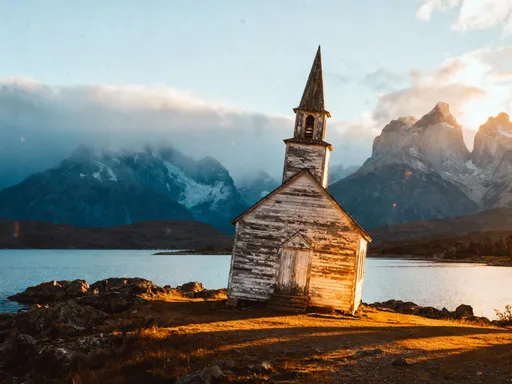
Scattered across Ushuaia’s skyline, churches stand as both spiritual and cultural landmarks. The most striking is the wooden Anglican Cathedral of the Holy Trinity, its spire rising like a ship’s mast against the mountain backdrop. Built in the early 20th century by British missionaries, the cathedral reflects the town’s complex colonial history. Its interior, lined with hand-carved pews and stained-glass windows depicting Patagonian landscapes, serves as a meeting point for both worship and community gatherings. Though attendance at services may be modest, the cathedral remains a symbol of endurance, having survived decades of wind, rain, and shifting religious tides.
Equally significant is the Russian Orthodox Church of Christ the Savior, a small but vibrant house of worship with a distinctive golden dome. Constructed by Ukrainian and Russian immigrants in the 1990s, it represents one of the southernmost Orthodox congregations in the world. The church hosts annual festivals that draw locals of all backgrounds, featuring traditional breads, folk dances, and icon painting workshops. These events are not exclusive to believers—they are celebrations of cultural identity, open to anyone willing to participate with respect.
What makes these churches unique is not their theology, but their role as inclusive spaces. They host concerts, art exhibitions, and charity drives, serving as hubs for social connection in a town where winter months can bring isolation. During the Fiestas de la Vendimia, a local harvest festival, both churches open their doors for interfaith choirs and community meals. The emphasis is not on doctrine, but on shared values: kindness, resilience, and the importance of coming together.
For visiting families, especially women who often carry the emotional labor of maintaining traditions, these spaces offer a sense of continuity. They see how faith, in its many forms, helps communities endure. They witness how architecture, music, and ritual create a sense of place. And they learn that culture is not static—it evolves, adapts, and finds new expressions, even at the end of the world.
Craft Markets and the Art of Storytelling Through Objects
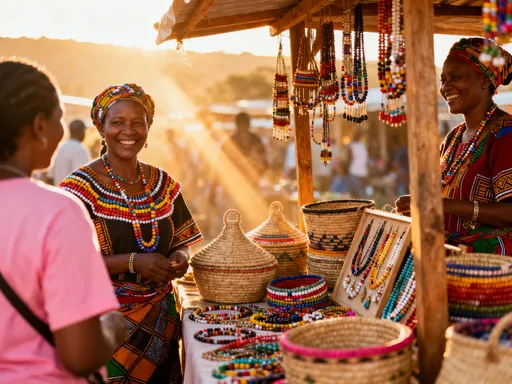
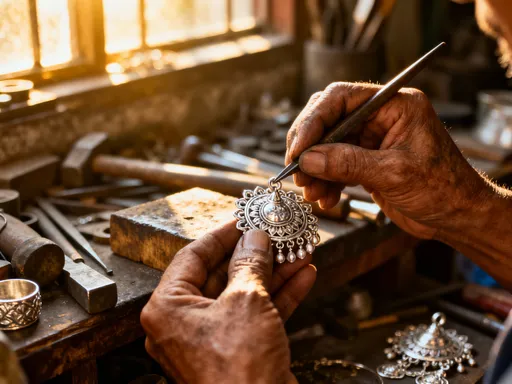
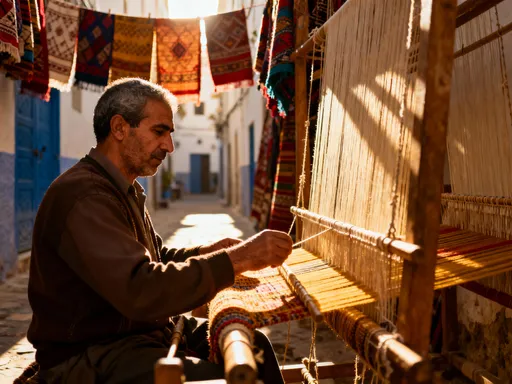
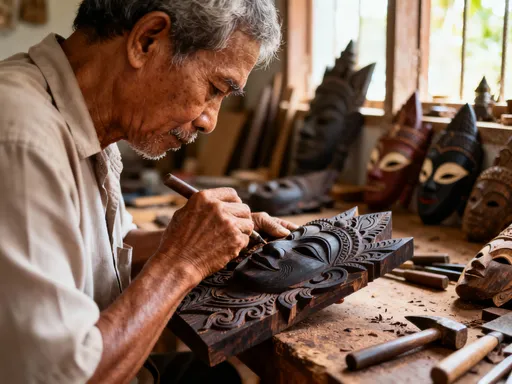
Every Saturday morning, the Feria Artesanal on San Martín Avenue comes alive with color, scent, and sound. Under bright tents, artisans display handcrafted goods that tell the story of Tierra del Fuego. Wooden carvings of foxes, condors, and sailing ships are polished to a warm glow, each piece carved from lenga or ñire—hardwoods that withstand the region’s harsh climate. Woolen scarves and ponchos, dyed in earthy reds and deep blues, are woven from guanaco fiber, a soft, durable material sourced from the native camelid. Jewelry made from antler, fossilized wood, and local stones carries designs inspired by indigenous patterns and natural forms.
What sets these markets apart is the presence of the makers. Unlike mass-produced souvenirs, these items come with stories. A woman in her fifties explains how her mother taught her to weave using a technique passed down from her Mapuche ancestors. A young man demonstrates how he uses traditional tools to carve a canoe, just as the Yámana once did. These conversations transform shopping into an act of cultural exchange. Buyers are not just purchasing objects—they are supporting livelihoods, preserving traditions, and carrying a piece of Ushuaia’s spirit home with them.
For many female travelers, particularly those in their 30s to 50s, these interactions are deeply meaningful. They recognize the labor, love, and legacy embedded in each creation. They appreciate the slow, deliberate process of making something by hand in an age of fast fashion and disposable goods. And they understand that ethical tourism means choosing authenticity over convenience—buying directly from artisans, asking questions, and honoring the stories behind the crafts.
The market also reflects Ushuaia’s evolving identity. Alongside traditional pieces, visitors find modern interpretations—jewelry with minimalist designs, clothing that blends Patagonian motifs with contemporary styles. This fusion shows that culture is not frozen in time, but alive and responsive. It honors the past while embracing the present, offering a model of sustainability and respect that resonates far beyond the southern tip of South America.
Why Cultural Travel Beats Checklist Tourism
Too often, travel is reduced to a checklist: see the landmark, take the photo, move on. In Ushuaia, this approach misses the point entirely. The true adventure lies not in ticking off attractions, but in slowing down, observing, and connecting. It means visiting the Museo del Fin del Mundo not just to see artifacts, but to stand quietly in front of a Yámana canoe and imagine the hands that built it. It means attending a folk concert not for the novelty, but to feel the rhythm of a people who have learned to sing through hardship.
Cultural travel demands presence. It asks us to engage with discomfort, to confront histories that are painful, and to listen more than we speak. For women who travel not just for escape, but for growth, this kind of journey offers profound rewards. It fosters empathy, deepens understanding, and creates memories that linger long after the tan has faded. Studies have shown that meaningful travel experiences—those involving personal connection and emotional resonance—lead to greater well-being and a stronger sense of purpose.
Practicing cultural travel in Ushuaia is both simple and transformative. Visit during the shoulder seasons—October or March—when the crowds are thinner and locals are more available for conversation. Stay in family-run lodgings where hosts share meals and stories. Attend community events, even if you don’t speak fluent Spanish. Ask questions with genuine curiosity. Most importantly, resist the urge to treat culture as a performance. These traditions are not shows for tourists—they are lived realities, fragile and precious.
When travelers approach Ushuaia with humility and respect, they do more than see a new place—they become part of a larger human story. They learn that adventure is not about conquering landscapes, but about opening hearts. They discover that the most remote destinations often hold the most intimate truths.
Conclusion
Ushuaia’s true magic isn’t in its postcard vistas, but in the quiet moments between people, history, and place. When we slow down and listen—to songs, to stories, to silence—we don’t just visit. We belong, if only for a moment. And that changes everything. This is not a destination to be conquered, but a culture to be honored. In its wooden theaters, weathered museums, and windswept markets, Ushuaia teaches us that adventure is not measured in miles traveled, but in moments of connection. For those willing to look beyond the surface, the end of the world becomes a beginning.