You Won’t Believe These Secret Natural Escapes Near Liège
Tucked away in southern Belgium, Liège is more than just a city of charm and history—it’s a gateway to breathtaking natural beauty most travelers completely overlook. I was stunned by how close untouched forests, serene river valleys, and hidden trails are to the urban core. If you're craving peace, greenery, and authentic moments in nature, Liège’s quiet corners deliver in ways you’d never expect. This is real, raw, and absolutely worth exploring. Far from being a purely industrial city, Liège is cradled by rolling hills, ancient woodlands, and the gentle curve of the Meuse River. With just a short walk or bus ride, the hum of traffic fades into birdsong, and city streets give way to winding footpaths beneath cathedral-like canopies of trees. These escapes aren’t postcard-perfect tourist traps—they’re living, breathing landscapes cherished by locals who know the restorative power of a quiet morning by the water or a climb through misty woods. For women seeking moments of clarity, calm, and connection—whether solo, with a friend, or alongside family—these natural sanctuaries offer something deeper than sightseeing. They offer renewal.
Discovering Liège’s Natural Side – A Surprising Revelation
Most visitors arrive in Liège expecting cobbled squares, historic churches, and bustling markets—and they find them. But beyond the postcard scenes lies a quieter truth: this city is nestled in one of Belgium’s most verdant regions. The Meuse River carves a graceful arc through the landscape, flanked by soft hills that rise like gentle waves from the water’s edge. To the south, the Ardennes begin their slow ascent into wilder, forested terrain. Yet even within city limits, nature thrives in unexpected ways. Green corridors follow old railway lines, abandoned quarries have transformed into wildflower meadows, and tree-lined boulevards guide pedestrians toward hidden parks. It’s this seamless blend of urban and natural life that makes Liège unique among European cities.
Despite its reputation as an industrial hub, Liège has long protected its green spaces. City planners and local communities have worked quietly but consistently to preserve access to nature, recognizing its importance for well-being. This commitment means that even in the heart of densely populated neighborhoods, you can step onto a forest path within fifteen minutes. The Cointe district, for instance, is home to both residential streets and steep wooded slopes that feel a world away. This duality is not accidental—it’s intentional. The city’s geography naturally invites outdoor exploration, with elevation changes creating micro-environments where ferns grow in shaded ravines and sunlight floods open meadows just steps apart.
Why, then, do so many overlook Liège as a nature destination? Often, it’s because the city doesn’t market itself that way. Travel brochures emphasize its cultural heritage, not its hiking trails. Guidebooks mention the cathedral and the Palace of the Prince-Bishops, but rarely the forest paths just behind them. As a result, nature lovers head straight to the Ardennes, missing the quieter, more accessible beauty on Liège’s doorstep. But for those willing to look beyond the obvious, the rewards are immediate. You don’t need a car or a full day—just comfortable shoes and a sense of curiosity. The natural escapes near Liège aren’t grand or dramatic. They’re subtle, intimate, and profoundly peaceful.
The Meuse River Valley – A Scenic Lifeline
The Meuse River is the lifeblood of Liège, shaping both its history and its landscape. But beyond its role in trade and transportation, the river offers one of the most accessible and scenic natural experiences in the region. Along its banks, a network of well-maintained paths invites walkers, cyclists, and quiet observers to slow down and reconnect with the rhythm of the water. From the Sclessin neighborhood in the north to Coronmeuse in the south, access points appear frequently, often marked by simple wooden signs or stone steps leading down from residential streets. These entryways open into a different world—one where willow branches trail in the current, kingfishers dart between reeds, and the only sounds are the lap of water and the distant call of a heron.
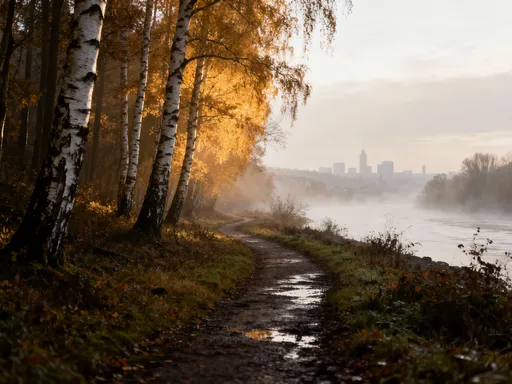
Walking along the Meuse at dawn reveals a side of Liège few tourists see. Mist rises in delicate curls from the surface, softening the outlines of bridges and riverfront buildings. Ducks glide in formation, leaving gentle ripples in their wake. The path, surfaced with compacted gravel or smooth stone, is wide enough for strollers and cyclists to share comfortably. Benches appear at regular intervals, placed to face the water, inviting pause and reflection. In spring, wild garlic perfumes the air; in autumn, fallen leaves float like tiny boats downstream. The river changes with the seasons, but its calming presence remains constant.
One of the most peaceful stretches runs between the Bois de la Cambre and the Parc de la Boverie. Here, the river bends in a wide curve, creating a natural amphitheater of green. Tall sycamores and silver birches line the banks, their roots gripping the soil like sentinels. On weekends, families picnic on the grassy banks, children chasing each other through the trees, while older couples sit quietly on benches, reading or simply watching the water. The city is never far—tram lines hum in the distance, and the occasional barge passes with a low horn—but the sense of separation is real. This is nature woven into daily life, not something set apart or preserved behind fences.
Côte de Warre – Where Forests Meet Panoramic Vistas
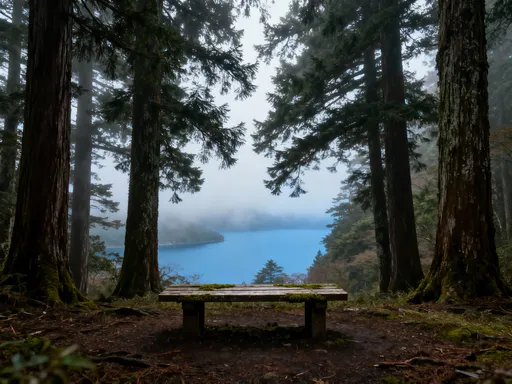
Rising just north of Liège, the Côte de Warre is a forested ridge that offers some of the most rewarding walks in the region. Though only a few kilometers from the city center, it feels remote and wild, with dense stands of beech, oak, and pine covering the slopes. The air here is noticeably cooler and cleaner, especially after rain, when the scent of damp earth and pine resin fills the woods. A network of marked trails winds through the forest, some following old cart paths, others carved more recently by hikers and trail runners. The main route, a gentle ascent from the village of Grivegnée, leads to a panoramic viewpoint that unfolds like a painting—rolling hills, the winding Meuse, and the distant outline of the Ardennes on clear days.
What makes the Côte de Warre special is its combination of accessibility and solitude. Buses from Liège’s center stop within a ten-minute walk of the trailhead, making it easy to reach without a car. Yet even on sunny weekends, the trails remain uncrowded. You’re more likely to encounter a local dog walker or a birdwatcher with binoculars than a tour group. The forest floor is thick with moss and fallen leaves, and in spring, wood anemones and bluebells bloom in shaded clearings. Deer are occasionally spotted at dawn or dusk, moving silently between the trees. For those seeking a deeper connection with nature, this is the kind of place where time slows, and the mind quiets.
Sunrise hikes are particularly transformative. Arriving before dawn, you’ll climb through dim light, the forest waking around you—the rustle of small animals, the first birdsong, the gradual brightening of the sky. By the time you reach the summit, the valley below is bathed in golden light, and the city, usually so dominant, appears small and quiet. It’s a perspective shift, both literal and emotional. Bring a thermos of tea or coffee, a light jacket, and a small backpack with water and snacks. Wear sturdy shoes, as some paths can be slippery after rain. And take your time. The journey is as important as the view.
Parc de la Boverie – Urban Oasis with a Natural Soul
Situated on a graceful bend of the Meuse River, the Parc de la Boverie is Liège’s most beloved green space—a place where formal gardens meet wilder nature. Originally part of a 19th-century estate, the park has evolved into a harmonious blend of cultivated beauty and natural spontaneity. Wide, tree-lined promenades invite leisurely strolls, while shaded lawns offer space for reading, picnicking, or simply lying back and watching clouds drift overhead. The park is home to swans, ducks, and the occasional kingfisher, their presence adding movement and life to the still ponds and winding waterways.
What sets La Boverie apart is its dual identity. On one hand, it hosts cultural institutions—the modern art museum, the orangery with its seasonal flower displays, and outdoor sculpture exhibitions. On the other, it preserves pockets of wildness: dense thickets where birds nest undisturbed, ivy-covered stone walls that feel centuries old, and quiet corners where the only sound is the wind in the trees. This balance makes it appealing to a wide range of visitors. Parents bring children to the playground; seniors walk their dogs; artists sketch under the trees. Yet despite its popularity, the park never feels overcrowded. There’s always a bench in the sun, a patch of grass in the shade, a path that leads away from the main avenues into deeper quiet.
La Boverie also serves as a gateway to longer walks. From its eastern edge, a green corridor follows the river toward the village of Wandre, connecting to a network of trails that stretch for kilometers. This makes it an ideal starting point for a half-day adventure. Begin with coffee at the park café, stroll through the rose garden, then follow the riverside path into the countryside. You can return the same way or loop back through residential streets, stopping at a local bakery for a fresh tart or a slice of speculoos cake. The rhythm of such a day—movement, pause, discovery—is deeply satisfying, especially for those who value both culture and nature.
Hidden Trails in the Outskirts – Nature Just Beyond the City Limits
Just a short bus or train ride from Liège’s center, the landscape softens into a patchwork of woodlands, meadows, and quiet villages. Places like Grivegnée, Chênée, and Bressoux are often overlooked, seen merely as residential areas. But for those who look closely, they offer access to some of the region’s most peaceful walking routes. These are not manicured parks or tourist attractions—they are working landscapes where nature reclaims old paths, streams carve narrow ravines, and stone farmhouses stand surrounded by orchards and hedges.
In Grivegnée, a footpath follows a small stream through a steep-sided valley, shaded by alder and hazel trees. Ferns grow in the damp soil, and in spring, the air is thick with the scent of wild garlic. The path is narrow and sometimes uneven, but that’s part of its charm. You won’t find handrails or information boards—just the quiet companionship of birdsong and the occasional glimpse of a squirrel darting up a tree. In Chênée, another trail leads through open fields dotted with fruit trees, then into a beech wood where sunlight filters through the canopy in golden shafts. These walks are not challenging, but they feel adventurous because they’re off the usual route.
What makes these outskirts so special is their authenticity. There are no gift shops, no crowds, no timed entry. Locals use the paths for daily walks, but they don’t dominate them. The sense of discovery is real—each turn revealing a new view, a hidden bench, a patch of wildflowers. Public transport makes these spots easy to reach: a 15-minute bus ride from the city center drops you at the edge of the forest. And because they’re not widely known, they remain peaceful even on weekends. For women seeking a moment of solitude or a chance to walk without distraction, these quiet corners offer something rare: space to breathe, think, and simply be.
Seasonal Shifts – How Nature Transforms Year-Round
One of the greatest joys of exploring Liège’s natural spaces is witnessing their transformation across the seasons. Each time of year brings a different character, a new reason to return. In spring, the woods come alive with color—crocuses pushing through leaf litter, cherry blossoms drifting like snow, and the first leaves unfurling in delicate green. The air is fresh, the light soft, and the world feels newly born. This is the season for slow walks, for noticing small details: a spiderweb jeweled with dew, a bird building a nest, the first bee of the year.
Summer brings warmth and lushness. The trees form a dense canopy, shading the paths and creating cool refuges from the heat. Wildflowers bloom along the riverbanks—purple loosestrife, yellow flag iris, and delicate meadow cranesbill. This is the time for longer hikes, for packing a picnic and spending hours in the woods. Evenings are golden, with long shadows and the sound of crickets beginning at dusk. The Meuse reflects the sunset like a mirror, and the city lights twinkle across the water.
Autumn is perhaps the most magical. The forests turn to fire—amber, gold, crimson—as the beech and maple trees prepare for winter. Mist rises from the river in the mornings, wrapping the landscape in softness. The air carries the scent of damp leaves and woodsmoke. It’s a season for reflection, for walking with a scarf around your neck and a sense of quiet gratitude. Winter, too, has its beauty. Snow dusts the evergreens, and frost coats the branches like lace. The world is quieter, slower. Fewer people walk the trails, but those who do are rewarded with solitude and stillness. Birdwatching becomes easier as bare branches reveal hidden nests and perching owls.
Each season offers its own rhythm, its own gifts. And because the changes are so pronounced, returning again and again feels like discovering new places. There is no single “best” time to visit—only different moods, different experiences. For those who seek connection with the natural world, this cycle of renewal is deeply comforting. It reminds us that life continues, that beauty persists, that peace is always within reach.
Making the Most of Your Nature Escape – Practical Tips for Visitors
To truly enjoy Liège’s natural escapes, a little preparation goes a long way. Comfortable walking shoes are essential—many paths are natural earth or gravel, and can become slippery after rain. A light backpack with water, a snack, and a small first-aid kit makes any walk more enjoyable. In cooler months, layers are key: a moisture-wicking base layer, a warm mid-layer, and a wind-resistant outer shell. In summer, sun protection—hat, sunscreen, sunglasses—is important, especially on open stretches near the river.
Public transportation is reliable and well-connected. Most trailheads are within a 10- to 20-minute bus or tram ride from the city center. The TEC network provides clear schedules, and many routes run frequently on weekends. If you prefer cycling, Liège has an expanding network of bike paths, and rental options are available near the train station. For longer outings, consider combining a train ride with a walk—for example, taking a regional train to a nearby village and hiking back along a green corridor.
Timing matters. Early mornings are often the most peaceful, with fewer people and the best light for photography. Weekdays are quieter than weekends, though even on Sundays, most trails remain uncrowded. If you’re visiting in autumn, aim for late October to early November for peak foliage. In spring, April and May offer the best wildflower displays.
Finally, practice respectful exploration. Stay on marked trails to protect plant life and prevent erosion. Carry out all trash—better yet, bring a small bag to pick up any litter you see. Keep noise to a minimum, especially in quiet zones. And take time to appreciate the small things: the way sunlight hits a leaf, the sound of a distant woodpecker, the feeling of clean air in your lungs. These moments are the true reward. After your walk, treat yourself to a visit to a local bakery—perhaps for a warm pain au chocolat or a slice of tarte al djote, a regional specialty. It’s these simple pleasures, woven together, that make a nature escape in Liège not just enjoyable, but memorable.
Conclusion
Liège’s secret natural treasures aren’t grand or marketed heavily—they’re quiet, genuine, and deeply refreshing. Far from being just a city stop, it’s a launchpad for peaceful immersion in Belgium’s green heart. Whether you have an hour or a full day, stepping into these landscapes offers a reset for the mind and soul. The real magic? You don’t need to travel far—just know where to look. These places aren’t about adrenaline or spectacle. They’re about stillness, clarity, and the quiet joy of being present. For women who carry the rhythms of family, work, and daily life, such moments are not luxuries—they are necessities. And in Liège, they are closer than you think. So lace up your shoes, step outside, and let the trees, the river, and the open sky welcome you home.