Colors, Corn, and Culture: A Photographic Love Letter to Guanajuato’s Food Soul
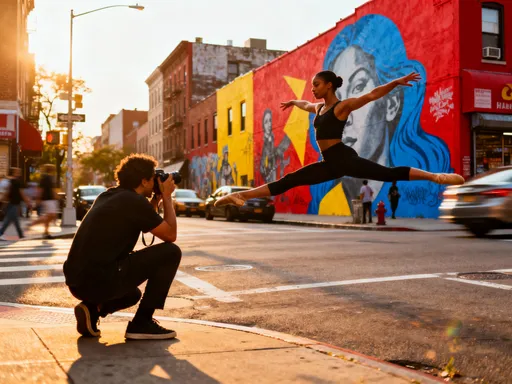
You know that feeling when a place just pops in your lens? Guanajuato did that for me—vibrant streets, golden light, and food that tells stories. I went for the photos, but stayed for the flavors. Every taco stand, market corner, and steaming plate wasn’t just a meal—it was a moment begging to be captured. This is more than travel; it’s a sensory slideshow where taste and sight collide in the most delicious way. The city doesn’t just invite the camera—it demands it, with colors so rich they seem painted by emotion, and flavors so deep they echo generations. In Guanajuato, every bite is a frame, every alley a gallery.
Framing the Heart of Mexico: Why Guanajuato Feels Like a Living Mural
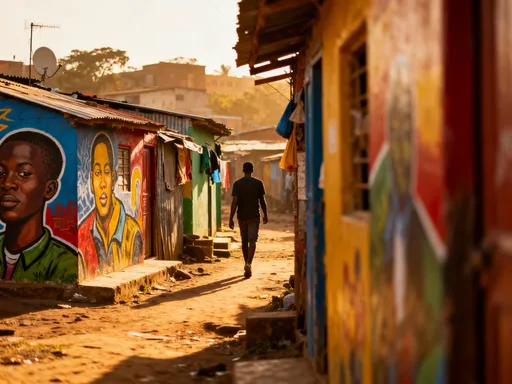
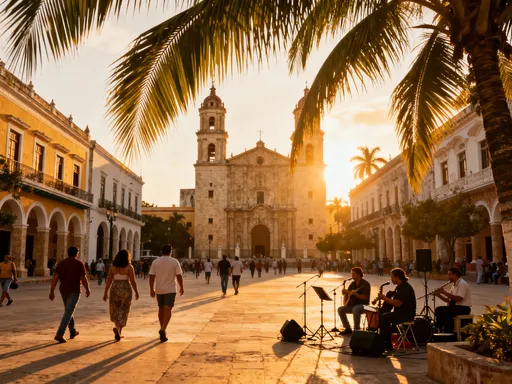
Guanajuato is not a city you merely visit; it’s one you experience through layers of color, light, and texture. Nestled in a narrow valley in central Mexico, its colonial-era buildings climb the hillsides like vines, each painted in bold, sun-faded hues—ochre, cobalt, terracotta, and saffron. The streets, often too steep for cars, twist and turn like ribbons, revealing sudden plazas, hidden courtyards, and staircases that lead to nowhere and everywhere. This topography, shaped by centuries of mining and adaptation, creates natural vantage points and framing opportunities for photographers. The interplay of shadow and sunlight, especially in the late afternoon, transforms ordinary scenes into cinematic compositions.
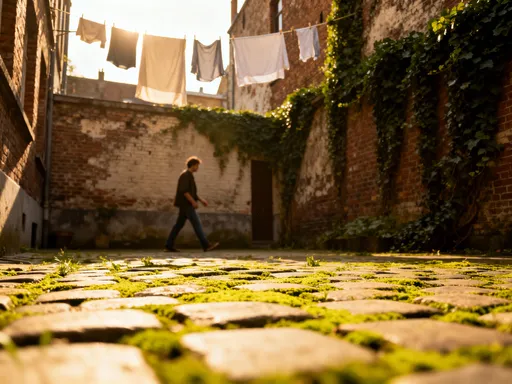
What makes Guanajuato so visually compelling is not just its palette, but its authenticity. Unlike curated tourist destinations, its beauty is lived-in, weathered, and deeply human. The peeling paint on a doorway, the laundry strung between balconies, the elderly woman selling flowers from a woven basket—these are not staged for photos; they are the fabric of daily life. For photographers, this means every shot carries emotional weight. A simple alleyway bathed in golden hour light becomes more than a backdrop—it becomes a narrative. The city’s elevation, around 2,000 meters above sea level, ensures crisp air and clear skies, enhancing contrast and color saturation in images.
Timing is essential. Early morning offers soft, diffused light as the sun rises above the surrounding hills, casting long shadows across the cobblestones. This is the best time to capture the city before crowds gather, when silence amplifies the visual details—the texture of stone walls, the reflection of colors in puddles after a light rain. Late afternoon, particularly between 5:00 and 6:30 p.m., brings the golden hour, when warm light spills into the narrow streets, making the facades glow. This is also when food vendors begin to set up, and the scent of roasting corn and simmering beans starts to drift through the air, adding another sensory layer to the visual feast.
For composition, photographers can take advantage of the city’s natural diagonals—stairs, sloping roads, and arched tunnels—that lead the eye into the frame. The Callejón del Beso, one of the narrowest streets in the world, offers a vertical composition challenge, with buildings so close their balconies nearly touch. Meanwhile, viewpoints like the Mirador de la Bufa provide sweeping panoramic shots of the entire city, ideal for establishing context before diving into close-ups of food and faces. Guanajuato doesn’t just accommodate photography—it inspires it, turning every turn into a potential masterpiece.
The Market Pulse: Inside Mercado Hidalgo’s Sensory Overload
If Guanajuato’s streets are its canvas, then Mercado Hidalgo is its beating heart. Housed in a grand iron-and-glass structure built in the late 19th century, the market pulses with energy from dawn until dusk. Inside, the air is thick with the mingling aromas of cumin, cilantro, roasted chiles, and fresh masa. Stalls overflow with pyramids of ripe tomatoes, avocados the size of fists, baskets of epazote and hoja santa, and bins of dried chiles in shades of rust, brick, and mahogany. But it’s not just the produce that draws attention—it’s the people. Vendors in aprons call out prices, mothers haggle over the price of tomatillos, and grandfathers sample cheese with the seriousness of sommeliers.
For the photographer, Mercado Hidalgo is both a paradise and a challenge. The sheer density of visual information can be overwhelming—colors clash, movements blur, and light filters unevenly through the glass roof. Yet within this chaos lies rhythm. The key is patience. Rather than rushing in with a camera, it’s better to wander, observe, and let moments unfold naturally. A vendor arranging chiles by shade, a child licking honey from a spoon, a cook flipping tortillas on a comal—these are the unscripted scenes that tell the true story of the market.
Respect is paramount. While some vendors welcome photos, others may feel uncomfortable. A simple smile and a gesture—holding up the camera with a questioning look—goes a long way. Many will nod, some will pose proudly, and a few might wave you off, and that’s okay. The ethics of street photography in a living marketplace require sensitivity. Never use a telephoto lens to capture someone unaware in a private moment. If someone is eating, working, or in deep conversation, wait for a natural pause. And when in doubt, ask. More often than not, a respectful approach is rewarded—not just with a photo, but with a connection.
One of the most photogenic sections is the food court on the upper level, where steam rises from pots of menudo, pozole, and caldo de pollo. The light here is softer, filtered through skylights, creating a warm, diffused glow perfect for close-ups. A plate of freshly made gorditas, their edges crisp and golden, can look like art when lit just right. The textures—grainy masa, glossy beans, flecks of cilantro—are best captured in natural light, avoiding harsh flash that flattens dimension. And don’t overlook the details: a hand squeezing lime over a taco, a spoon stirring a pot of atole, the steam curling upward like a whisper. These small moments, when framed with care, become the soul of the photograph.
Tacos Al Pastor at Dusk: Street Food That Demands a Close-Up
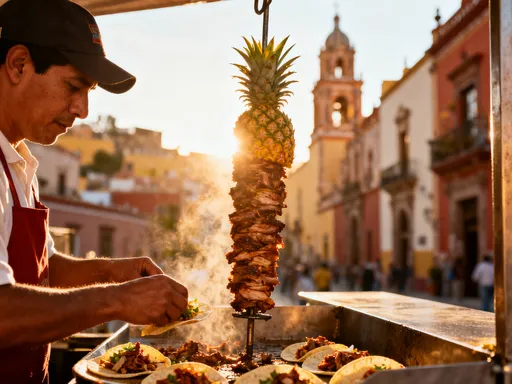
As the sun dips behind the hills, Guanajuato’s street food scene comes alive, and no dish embodies this moment better than tacos al pastor. On corners throughout the city, glowing carts equipped with vertical spits—trompos—spin slowly, their marinated pork caramelizing under heat. At the top, a pineapple roasts, its juices dripping down to baste the meat, adding sweetness and depth. The sound of a knife slicing thin shavings into a waiting tortilla is rhythmic, almost musical. This is food as performance, and for the photographer, it’s pure gold.
The golden hour light enhances every element—the glow of the trompo, the sheen of fat on the meat, the steam rising from the tortilla. A well-timed shot can capture the exact moment a vendor flicks a slice of pineapple onto the taco, the juice catching the light like amber. The challenge lies in balancing motion and clarity. Using a fast shutter speed helps freeze the action, while a slightly wider aperture (f/2.8 to f/4) can blur the background, making the taco the undeniable focus. For those using smartphones, many now offer portrait mode and night mode features that can produce surprisingly sharp results in low light.
But beyond technique, there’s a story in every taco. Al pastor, though now a staple of Mexican cuisine, has roots in Lebanese immigration, brought by Middle Eastern settlers who adapted shawarma to local tastes. In Guanajuato, it’s been embraced and reinvented, served with chopped onions, cilantro, and a squeeze of lime on handmade corn tortillas. To photograph it is to document cultural fusion—a delicious blend of history, migration, and adaptation. Some vendors add a twist, like a drizzle of chipotle crema or a sprinkle of queso fresco, making each cart a unique expression of identity.
The best time to photograph is between 7:00 and 8:30 p.m., when the city is lit but not yet dark, and the glow of the carts blends with the ambient streetlight. Arrive early to scout locations—popular spots near the Jardín de la Unión or Teatro Juárez often draw lines, but they also offer dynamic scenes of interaction. Don’t just focus on the food; include the vendor’s hands, the stack of tortillas, the condiments lined up like a painter’s palette. And when you’re done shooting, order one. Eating the taco you just photographed deepens the experience, linking sight and taste in a way that memory can’t separate.
Beyond the Lens: How Food Tells the Story of People and Place
Photographing food in Guanajuato is not just about aesthetics; it’s an act of cultural preservation. Each dish carries history, passed down through generations, shaped by geography, economy, and tradition. Take enchiladas mineras, for example—a humble yet flavorful dish born in the silver mines that once defined the region. Workers needed hearty, portable meals, so corn tortillas were dipped in chili sauce, filled with cheese or shredded chicken, and baked with cream and onions. Today, they’re a symbol of resilience, a reminder of the labor that built the city.
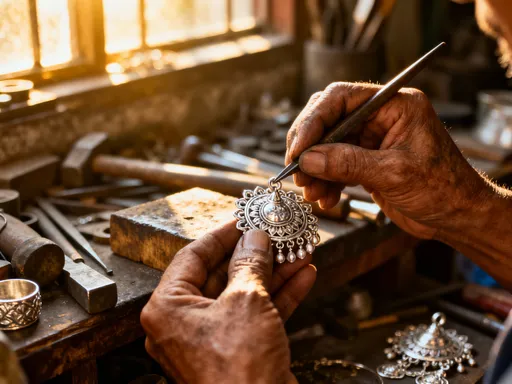
Similarly, atole—a warm, thick drink made from masa, water, and piloncillo (unrefined cane sugar)—dates back to pre-Hispanic times. It’s often served at dawn in markets or during festivals, a comforting ritual that transcends class and age. To photograph a vendor pouring atole from a large tin pot is to capture continuity, a tradition that survives modernity. These dishes are not just food; they are heirlooms, and photographing them is a way of honoring that legacy.
Conversations with cooks add depth to the images. Doña Rosa, who has sold tamales in the same corner for over thirty years, explained how her recipe came from her grandmother, who sold them to miners during the winter. “The masa has to be just right,” she said, patting a steaming corn husk. “Not too dry, not too wet. It’s like raising a child—too much of anything, and it won’t grow right.” Her words transformed the photograph from a simple food shot into a portrait of care, knowledge, and continuity.
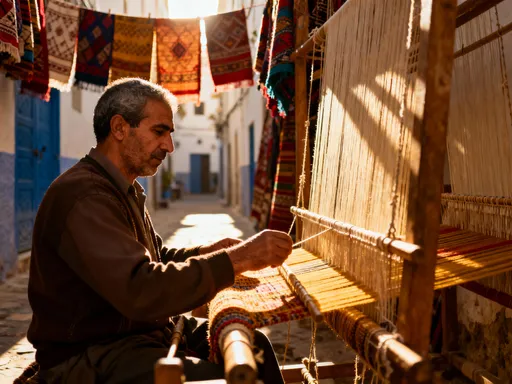
Even the ingredients tell stories. Corn, the foundation of so much Mexican cuisine, is more than a crop—it’s sacred. In Guanajuato, heirloom varieties are still grown in surrounding villages, each with its own color, texture, and flavor. Photographing a basket of blue, red, and white corn kernels is not just a study in color; it’s a tribute to biodiversity and agricultural heritage. When a cook grinds the kernels by hand on a metate, the motion is slow, deliberate, connecting the present to centuries of practice. These moments, when captured with intention, become visual essays on identity, memory, and belonging.
Chasing Authenticity: Finding Hidden Eateries Off the Tourist Trail
While the main plazas and markets offer rich photographic opportunities, the most authentic moments often happen off the beaten path. Away from the postcard-perfect streets, in quiet neighborhoods and nearby pueblos, local life unfolds without performance. Here, you’ll find tiny fondas with plastic tables, family-run bakeries where abuelas knead dough at dawn, and weekend markets in villages like San Miguel de Allende or Dolores Hidalgo, where farmers sell produce straight from their fields.
These places are harder to find, but that’s part of their charm. GPS won’t always help—sometimes the best strategy is to follow the locals. Notice where office workers line up for lunch, or where the smell of fresh pan dulce leads you down an alley. Taxi drivers are often excellent sources of information; strike up a conversation, and you might be directed to a no-name taco stand that’s been operating since the 1970s. One such spot, tucked behind a laundromat in the La Valenciana neighborhood, serves carnitas so tender they melt on the tongue, cooked in a copper cauldron over wood fire.
Photographing in these settings requires extra sensitivity. Because these spaces are not designed for tourists, people may be more private. Always ask before taking photos, and if someone declines, respect their decision without argument. Often, sharing a meal first breaks the ice. Sit down, order something, smile, and let the interaction happen naturally. You might end up invited into the kitchen, where the real magic happens—the sizzle of lard, the flip of a tortilla, the sprinkle of salt. These are the moments that make a photograph feel alive, not staged.
Weekend markets in surrounding towns offer another layer of authenticity. In San Felipe, every Sunday, farmers set up stalls selling fresh cheese, handmade salsas, and live herbs still in soil. The light is different here—brighter, more direct—so early arrival is key. Use a reflector or shoot in the shade to avoid harsh contrasts. And don’t forget the human element: a farmer wiping sweat from her brow, a child tasting queso panela for the first time, a dog napping under a table. These details ground the photograph in reality, making it more than just a pretty image—it becomes a document of place and time.
The Golden Rules of Food Photography in a Living Culture
Great food photography in a place like Guanajuato isn’t about having the most expensive gear; it’s about presence, patience, and respect. Natural light is your best ally. Avoid flash, which can startle people and flatten textures. Instead, position yourself near windows, under awnings, or in shaded areas where light is soft and even. Early morning and late afternoon provide the most forgiving conditions, with warm tones that enhance the richness of food.
Composition matters. Use the rule of thirds to place the main subject—whether a plate of enchiladas or a basket of tortillas—slightly off-center. Include leading lines, like the edge of a table or a row of spice jars, to guide the viewer’s eye. Don’t be afraid of clutter; sometimes the messiness of a real kitchen—utensils hanging on the wall, a pot boiling in the background—adds authenticity. But keep the focus sharp on the main subject, using a shallow depth of field to separate it from distractions.
Smartphones have become powerful tools for food photography. Many now offer manual settings, macro modes, and HDR options that rival DSLRs in the right conditions. The advantage is discretion—people are less intimidated by a phone than a large camera. But regardless of device, the most important element is connection. A photo taken with permission, after a conversation, carries more weight than one stolen from a distance. It reflects trust, not just observation.
Staging should be minimal. Never rearrange a vendor’s cart or ask someone to repeat an action just for a shot. If a dish looks beautiful as it is, capture it. If it’s being served, wait for the natural moment—the first bite, the hand passing the plate, the smile of satisfaction. These are the moments that resonate. And always, without exception, ask before photographing people, especially children. A simple ‘¿Puedo tomar una foto?’ with a smile is usually enough. More often than not, the answer is yes—and sometimes, it leads to an invitation to stay, to eat, to belong, if only for a moment.
From Gallery to Memory: Why These Images Stay With You
The photographs we take in places like Guanajuato do more than fill albums or social media feeds—they become emotional anchors. A single image of a steaming tamal wrapped in corn husk, bathed in morning light, can transport you back to the sound of a vendor’s voice, the smell of cumin, the cool mountain air. These visuals are not just records; they are vessels of memory, capable of evoking taste, sound, and feeling long after the journey ends.
In an age of digital overload, the most powerful images are those rooted in truth. They don’t need filters or perfection—they thrive on authenticity. A slightly blurred shot of a child eating a churro, powdered sugar on her nose, speaks louder than a perfectly lit studio-style food photo. It captures life as it happens, unpolished and real. And when shared, these images can inspire others to travel not as spectators, but as participants—to go beyond the guidebook, to taste, to talk, to see with more than just eyes.
Guanajuato teaches us that food and photography, when practiced with care, are acts of love. They require slowing down, paying attention, and honoring the people behind the plate. Every taco, every market stall, every wrinkled hand shaping masa is part of a larger story—one of resilience, creativity, and community. To photograph them is not to capture ownership, but to express gratitude.
So pick up your camera—not as a tourist, but as a witness. Walk the colorful streets with curiosity. Let the light guide you. Talk to the people. Taste the food. And when you press the shutter, do it with respect, with joy, and with the understanding that you’re not just taking a picture. You’re preserving a moment of human connection, one frame at a time. Let Guanajuato remind you that the world is still full of beauty, flavor, and stories waiting to be seen—and shared.