Sintra’s Food Scene Exposed: What Tourists Always Get Wrong
You think you know Sintra’s food culture—colorful street stalls, sweet pastries, fairy-tale vibes. But behind the postcard charm, many travelers miss the mark. I’ve seen it all: overpriced “local” meals, fake regional dishes, and tourists queuing for hype, not flavor. Sintra’s cuisine is rich and authentic, but only if you know where—and how—to look. This isn’t just about what to eat. It’s about eating like you’re really there.
The Postcard Trap: When Beauty Hides Bad Food
Sintra’s landscape is undeniably magical. Rolling hills draped in mist, lush forests, and palaces perched like something from a dream—this UNESCO World Heritage site draws visitors not just for history, but for beauty. Yet, this very beauty has created a culinary paradox: the most scenic dining spots are often the least authentic. Restaurants nestled near Pena Palace or along the winding paths of the Moorish Castle capitalize on foot traffic, offering meals designed more for cameras than palates. The menu may promise traditional Portuguese fare, but the execution often lacks soul, relying on frozen ingredients, reheated portions, and inflated prices.
It’s not unusual to see a simple plate of grilled sardines—typically a summer staple in coastal Portugal—priced at nearly 20 euros in these tourist-heavy zones. The portion may be small, the fish dry, and the sides clearly mass-prepared. These establishments don’t need to impress with flavor; they rely on location. A view of the red-and-yellow palace towers or a panoramic terrace overlooking the forest is their real selling point. As a result, authenticity becomes secondary. Diners trade cultural connection for convenience and aesthetics, unaware that a more genuine experience is just a short walk away.
What many visitors fail to realize is that true Portuguese dining is rooted in simplicity, seasonality, and regional pride. The best meals are often served in unassuming spaces—modest family-run eateries where the cook is also the server, and the menu changes with what’s fresh at the market. These places rarely advertise in guidebooks or boast terraces with photo-worthy backdrops. Their charm lies not in scenery, but in the care behind each dish. To eat well in Sintra, one must resist the pull of the picturesque and instead follow the rhythms of local life.
That doesn’t mean scenic dining and good food can’t coexist. Some smaller establishments on the outskirts of the main tourist circuit manage both—offering modest views without sacrificing quality. The key is discernment. Look for signs of daily use: chipped tiles, handwritten menus, Portuguese-speaking patrons, and the absence of multilingual brochures. These are the quiet indicators of a place where food comes first, not the backdrop.
The Pastel de Nata Paradox: One Icon, Endless Imitations
No symbol of Portuguese cuisine is more beloved than the pastel de nata—a custard tart with a flaky, golden crust dusted with cinnamon and powdered sugar. In Sintra, where food and fantasy often blend, these tarts are sold at nearly every corner, packaged in decorative boxes and marketed as “Sintra’s famous pastry.” But here’s the truth: most of them aren’t Sintra’s at all. They’re mass-produced imitations, shipped in from central kitchens, warmed up, and passed off as local tradition. The real pastel de nata is a labor of patience, made with fresh egg yolks, creamy custard, and a crust rolled by hand each morning.
The original pastéis de nata trace back to the Jerónimos Monastery in Belém, Lisbon, where monks developed the recipe centuries ago. Over time, the recipe spread, but only a few bakeries in Sintra have preserved the authentic method. These are not the ones with neon signs and Instagrammable displays. They’re the small neighborhood pastelarias where the owner greets regulars by name and pulls tarts fresh from the oven around mid-morning and again in the late afternoon. The crust should shatter slightly when bitten, revealing a warm, creamy center that’s rich but not cloying. The scent of vanilla and baked dough should fill the air before you even step inside.
What sets the real deal apart isn’t just taste—it’s timing and technique. Authentic tarts are baked in wood-fired or convection ovens that create the perfect caramelization on top. They’re best eaten within an hour of baking, ideally warm, with a small espresso on the side. The mass-produced versions, by contrast, often sit under heat lamps for hours, their crusts turning soggy and their filling losing its delicate balance. They may look the same in photos, but the experience is worlds apart.
For travelers seeking the true taste of this iconic pastry, the advice is simple: go where locals go. Avoid the kiosks near the palace entrances and skip any shop that offers “Sintra-style” tarts with no explanation of origin. Instead, seek out bakeries with a steady stream of Portuguese customers, particularly in the early morning or late afternoon. Ask for “natas caseiras” (homemade tarts) and observe whether they’re pulled from the oven in front of you. In Sintra, as in all of Portugal, the best food is often the quietest—unassuming, unphotographed, and unforgettable.
Tourist Menus vs. Local Tables: Decoding the Language of Dining
One of the most common mistakes tourists make in Sintra is trusting the menu. Not the food, not the atmosphere—but the menu itself. Many restaurants in high-traffic areas offer what’s known as a “tourist menu”—a fixed-price meal with a few Portuguese-sounding dishes like “Sintra Pork with Chestnut Purée” or “Traditional Seafood Stew.” These dishes may sound regional, but they often have no roots in local cuisine. Chestnuts are indeed a seasonal ingredient in Sintra, but pairing them with pork in a purée is more of a modern invention than a centuries-old tradition. The stew might contain frozen shrimp and canned clams, reheated and served with a side of limp vegetables.
The problem lies in translation—both linguistic and cultural. These menus are designed for accessibility, not accuracy. They simplify complex regional dishes into generic descriptions, stripping them of context and authenticity. Terms like “traditional” or “house specialty” are used freely, even when the kitchen has no connection to the recipe’s origins. In contrast, authentic menus in local eateries tend to be simpler, often handwritten or printed on basic paper. They feature seasonal highlights and daily specials marked as *prato do dia* (dish of the day) or *caseiro* (homemade), clear signals that the food is prepared fresh and with care.
Learning a few key Portuguese phrases can dramatically improve the dining experience. Even basic knowledge—such as recognizing that *bacalhau* means salted cod, or that *açorda* is a bread-based soup—helps travelers make informed choices. Asking “O que recomenda hoje?” (“What do you recommend today?”) often leads to a more personal interaction and a better meal. Servers at family-run establishments take pride in their offerings and are happy to explain how a dish is prepared or where the ingredients come from.
Another clue to authenticity is the clientele. If a restaurant is filled with locals during lunchtime, especially on weekdays, it’s a strong sign of quality. Locals don’t have time for overpriced, underwhelming food. They go where the portions are generous, the wine is affordable, and the flavors are familiar. These places may lack English menus or online reviews, but they offer something far more valuable: a genuine connection to the place. Eating where locals eat isn’t just about taste—it’s about respect. It acknowledges that the culture of food in Sintra didn’t develop for tourists, but for the people who live there.
Hidden in Plain Sight: The Neighborhoods Serving Real Flavor
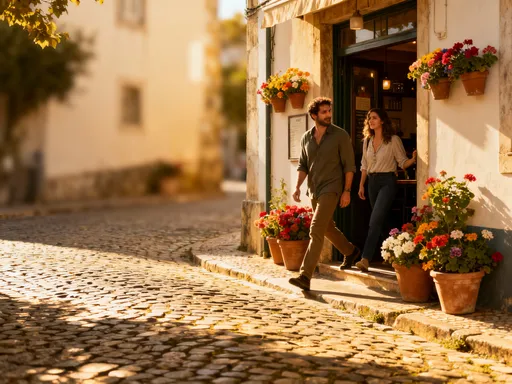
Beyond the palace gates and souvenir shops, Sintra has neighborhoods that pulse with quiet culinary life. São Pedro de Penaferrim, the historic core just below the Moorish Castle, is home to family-run *tascas*—small, informal restaurants—where recipes have been passed down for generations. These are not destinations for the hurried day-tripper, but for those willing to wander beyond the main squares. A five-minute walk from the crowded tourist path can lead to a tiled storefront with a chalkboard menu, where the owner greets you with a warm “Bom dia” and offers a glass of house wine while you decide.
One such tasca might serve *ensopado de borrego*, a slow-cooked lamb stew simmered with red wine, garlic, and bay leaves. The meat falls off the bone, the sauce thickened naturally by hours of reduction. Another might specialize in *arroz de pato*, duck rice cooked with smoked paprika and tender shreds of meat, a dish more common in central Portugal but cherished in Sintra’s cooler months. These meals aren’t rushed. They’re built on time—time to marinate, time to braise, time to let flavors deepen.
The neighborhood of Monserrate, quieter and greener, hosts small bakeries that still mill their own cornmeal for *broa*, a dense, slightly sweet cornbread traditionally served with soups and stews. Here, seasonal ingredients shine: in autumn, wild mushrooms forage from the nearby forests appear in omelets and risottos; in winter, chestnuts are roasted and sold in paper cones, their smoky aroma filling the air. Local winemakers from the Colares region, just a short drive away, produce *vinho verde* and light reds that pair perfectly with hearty dishes. These are the flavors of Sintra’s soul—earthy, honest, and deeply rooted in the land.
What makes these neighborhoods special isn’t just what they serve, but how they serve it. There’s no pressure to turn tables quickly. Meals unfold at a natural pace, often beginning with a shared plate of *queijo da serra*, a creamy sheep’s milk cheese with a protected designation of origin. Bread is sliced thick, olive oil is poured generously, and conversation flows. This is not dining as performance, but as ritual. For the traveler, embracing this rhythm is the first step toward authenticity. It requires patience, curiosity, and a willingness to let go of the itinerary.
Timing Is Everything: When to Eat Like a Local in Sintra
In Portugal, meal times are not arbitrary—they’re cultural. Breakfast is light, often just a pastry and coffee, enjoyed before 9 a.m. Lunch, the main event, typically begins between 12:30 and 2 p.m. and can last over an hour. Dinner is late, usually after 8 p.m., and often includes multiple courses. Tourists, however, tend to eat on a different schedule—grabbing lunch at 5 p.m. after a long day of sightseeing, just as kitchens are winding down. This mismatch has consequences. Many restaurants, especially smaller ones, prepare fresh food in the morning and early afternoon. By 6 p.m., what’s left may be reheated or limited to a few standby dishes.
To experience the best of Sintra’s cuisine, align with local rhythms. Aim to eat lunch between 12:30 and 1:30 p.m. This is when kitchens are at their peak, ingredients are freshest, and staff are most attentive. You’re more likely to be offered the *prato do dia*, which often features seasonal specialties not listed on the regular menu. Bakeries, too, follow a strict schedule. The first batch of pastries comes out around 7 a.m., the second around 10:30 a.m. Arriving early means warm tarts, crisp croissants, and fresh bread still steaming from the oven.
Markets operate on similar principles. Sintra’s weekly market, held in the town center, is busiest in the morning, when vendors display their freshest produce, cheeses, and meats. By mid-afternoon, shelves are half-empty, and the selection is diminished. Visiting early allows for better choices and more interaction with vendors, some of whom are happy to share cooking tips or recommend pairings. Timing also affects ambiance. A quiet lunch at 1 p.m. in a local tasca offers a chance to observe daily life—the postman stopping for a beer, the grandmother buying bread for her family, the farmer discussing the weather with the baker.
Adjusting your schedule may require planning, but the reward is deeper immersion. Eating when locals eat fosters connection. It signals respect for the culture, not just consumption of it. And beyond the social benefit, the food simply tastes better—hot, fresh, and made with care. In a world of instant gratification, this is a reminder that some things cannot be rushed.
Markets and Bakeries: The Unsung Heroes of Sintra’s Cuisine
If restaurants are the stage, markets and bakeries are the foundation of Sintra’s food culture. They’re where ingredients begin their journey, where traditions are preserved, and where locals build their daily routines. The Mercado de Sintra, though modest in size, is a treasure trove of regional specialties. Here, you’ll find wheels of *queijo da serra*, wrapped in paper and tied with string, its creamy interior perfect for spreading on fresh bread. Smoked sausages hang in rows, their rich aroma mingling with the scent of herbs and citrus. Artisan bakers sell *pão de rala*, a sweet egg bread unique to the region, its golden crust dusted with sugar.
These spaces are not curated for tourists. There are no tasting samples or English labels. Instead, they offer an unfiltered glimpse into how people eat. Vendors speak rapidly in Portuguese, transactions are cash-based, and the rhythm is efficient. But for those willing to engage, even with limited language, the experience is rewarding. A smile, a polite “por favor,” and an attempt at pronunciation can open doors. Many vendors are proud of their products and happy to explain their origins. A cheese maker from the Serra da Estrela mountains might describe how the cold climate affects the milk, or a baker might share how her grandmother taught her to knead dough by hand.
In recent years, gourmet pop-ups and specialty stalls have begun to appear, offering modern twists on traditional foods. While some bring innovation, others risk diluting authenticity in favor of aesthetics. A “deconstructed pastel de nata” may impress on Instagram, but it rarely satisfies like the original. The true value of Sintra’s markets lies in their continuity—the fact that they still supply homes, not just restaurants. They are where mothers buy ingredients for Sunday lunch, where elderly couples pick up bread and cheese for a simple supper.
For the traveler, a visit to the market can become the centerpiece of a perfect day. Imagine assembling a picnic: a wedge of cheese, a few slices of smoked ham, a fresh loaf, some olives, and a bottle of local wine. Pack it in a basket and find a quiet bench in the Parque de Sintra, under an ancient cedar tree, and eat slowly, savoring each bite. This is not just a meal—it’s a ritual, a way of being present. In a place known for its grandeur, the simplest moments often leave the deepest impression.
Eating with Respect: How to Enjoy Culture Without Exploiting It
Sintra faces a growing challenge: overtourism. The same beauty that inspires awe also strains local resources, especially in the food system. As visitor numbers rise, some restaurants shift toward mass production, sacrificing quality for efficiency. Traditional shops close, replaced by souvenir stalls selling plastic trinkets and pre-packaged snacks. The pressure to cater to international tastes can erode culinary identity, turning authentic dishes into caricatures. In this context, how we eat matters—not just for our own experience, but for the community we visit.
Chasing “Instagrammable” food—dishes designed for photos, not flavor—contributes to this problem. It rewards style over substance, encouraging restaurants to prioritize appearance over tradition. A neon-lit tart stand may draw crowds, but it doesn’t support the baker who wakes at dawn to knead dough by hand. Mindful eating is the antidote. It means choosing quality over convenience, engaging with locals, and recognizing that food is culture, not content.
Simple actions make a difference. Speaking a few words of Portuguese, even just “obrigada” or “bom apetite,” shows respect. Avoiding waste—finishing your meal, refusing unnecessary packaging—honors the effort behind the food. Tipping fairly, especially in small family-run places, supports fair wages. Asking where ingredients come from encourages transparency. These gestures may seem small, but collectively, they sustain the very culture tourists come to see.
Eating with respect also means slowing down. It means sitting at a table instead of eating on the go, listening to the hum of conversation, noticing the details—the pattern of tiles, the texture of bread, the warmth of a smile from the server. It means understanding that a meal is not just fuel, but a bridge between people. When we eat this way, we don’t just taste the food—we taste the place.
Sintra’s magic isn’t just in its misty hills or palaces—it’s in the quiet moments over a real meal, shared with locals or savored in peace. Avoiding the food traps isn’t about being a “better” traveler. It’s about experiencing Portugal as it truly feeds itself. Choose wisely, eat thoughtfully, and let the culture nourish you from the first bite.