You Won’t Believe These Photo-Perfect Spots in Quito
Nestled high in the Andes, Quito offers more than just colonial charm—it’s a visual playground for anyone chasing unforgettable shots. I was blown away by how every corner, from misty mountain overlooks to vibrant street art alleys, felt like a scene waiting to be captured. If you're looking to elevate your travel photography, Quito’s viewpoints deliver drama, culture, and light like nowhere else. The city’s elevation, equatorial position, and rich architectural tapestry create a rare synergy for photographers of all levels. Whether you're armed with a professional DSLR or simply your smartphone, Quito rewards attention to detail, timing, and perspective. This is not just a destination for pictures—it’s a place where images tell stories of history, resilience, and natural wonder.
Why Quito Is a Photographer’s Dream
Quito, the capital of Ecuador, sits at an elevation of nearly 9,350 feet (2,850 meters) above sea level, making it one of the highest capital cities in the world. This altitude plays a crucial role in shaping its photographic appeal. The thinner atmosphere filters sunlight more softly, producing a luminous quality that enhances colors and reduces harsh shadows—ideal for portrait and landscape photography alike. Because Quito lies directly on the equator, daylight hours remain remarkably consistent year-round, with sunrise around 6:00 a.m. and sunset near 6:30 p.m. This predictability allows photographers to plan shoots without seasonal surprises.
The interplay between urban life and dramatic natural surroundings further distinguishes Quito. The city stretches along a narrow valley flanked by the imposing peaks of the Andes, including the active Pichincha Volcano. On clear days, these volcanic silhouettes frame the skyline, adding depth and grandeur to cityscapes. Morning fog often rolls through the valleys, creating ethereal layers that elevate the mood of any photograph. During the dry season—from June to September—cloud cover tends to burn off by mid-morning, offering crisp visibility and brilliant blue skies perfect for aerial shots and long exposures.
What truly sets Quito apart is its seamless blend of preserved heritage and living culture. Unlike other historic Latin American capitals where modern development overshadows the past, Quito’s colonial core remains intact, protected as a UNESCO World Heritage Site since 1978. This preservation ensures that photographers encounter authentic textures: weathered stone walls, intricately carved wooden doors, and ornate church facades that have changed little over centuries. Meanwhile, the rhythm of daily life—vendors arranging fruit stands, children walking to school in crisp uniforms, artisans setting up market stalls—adds human warmth to every frame.
Photographers also benefit from the city’s relatively moderate climate. Average temperatures hover between 50°F and 70°F (10°C–21°C) throughout the year, allowing for comfortable outdoor shooting even in the early morning or late afternoon. These stable conditions mean less gear stress and more time focusing on composition. With such a unique combination of light, landscape, and cultural continuity, Quito emerges not just as a scenic stop, but as a destination that invites deeper visual storytelling.
The Must-Visit Historic Center: A UNESCO Gem
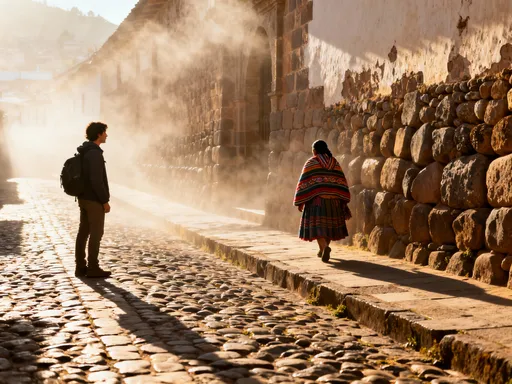
At the heart of Quito lies its beautifully preserved historic center, one of the largest and best-maintained in the Americas. Declared a UNESCO World Heritage Site jointly with Kraków, Poland, in 1978, this district is a living museum of Spanish colonial architecture and indigenous craftsmanship. Cobblestone streets wind beneath overhanging balconies adorned with geraniums, while centuries-old churches dominate plazas with their baroque splendor. For photographers, this area is a treasure trove of textures, symmetry, and golden-hour magic.
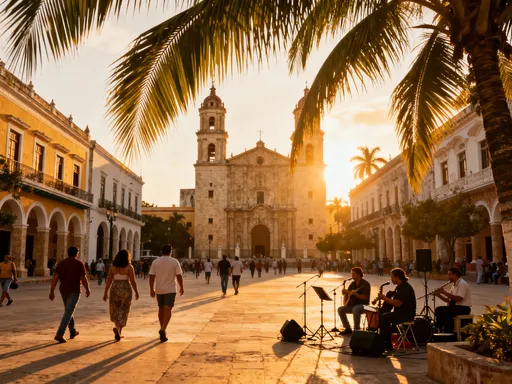
Plaza de la Independencia, also known as Plaza Grande, serves as the political and spiritual nucleus of the city. Surrounded by the Presidential Palace, the Metropolitan Cathedral, and the Archbishop’s Palace, the square offers multiple vantage points for capturing both architectural harmony and civic life. Early morning is the optimal time to visit—before tour groups arrive and street vendors fully set up. The soft eastern light during this window illuminates the pale stone façades beautifully, minimizing contrast and preserving detail in shadows. Positioning yourself near the central monument allows for symmetrical compositions, especially when including the Andean backdrop rising behind the buildings.
Just steps away, La Compañía de Jesús stands as one of the most photographed churches in South America. Its golden façade, carved entirely from volcanic stone, glistens under sunlight like a gilded manuscript. The intricate details—swirling vines, cherubs, and geometric patterns—are best appreciated with a wide-angle lens or macro setting. To avoid harsh overhead lighting, aim for late afternoon when the sun skims across the western side of the plaza, casting gentle highlights and elongated shadows. For interior shots, remember that flash is often prohibited; instead, use a tripod and increase your camera’s ISO sensitivity to capture the warm candlelit ambiance.
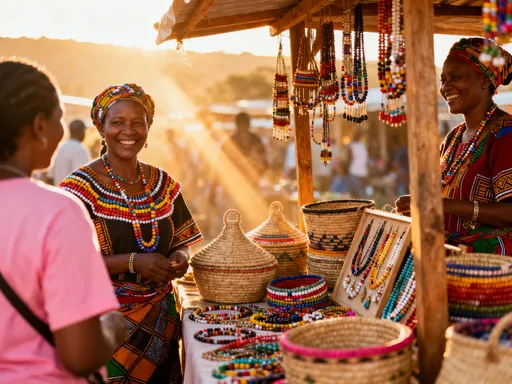
Another standout is the Church of San Francisco, located at the eastern edge of the historic center. Larger than many city blocks, it combines Moorish, Renaissance, and indigenous design elements. Its massive atrium provides a striking foreground for wide compositions, particularly when locals gather during festivals or market days. The adjacent artisan market offers colorful textiles and hand-carved souvenirs, ideal for candid street photography. While photographing people, always ask for permission with a smile—many are happy to pose, especially if you show them the result afterward.
To make the most of your time here, consider visiting mid-week when crowds are lighter. Weekends bring local families and larger tour groups, which can complicate unobstructed shots. However, they also bring energy—music, dance, and traditional dress—that may be worth the trade-off if you’re seeking vibrant cultural scenes. Regardless of timing, patience and observation are key. Wait for the right moment: a woman in a traditional pollera skirt crossing the square, a street musician tuning his guitar, or sunlight breaking through clouds onto a church dome. These fleeting instances transform good photos into lasting memories.
El Panecillo: The Iconic Overlook You Can’t Skip
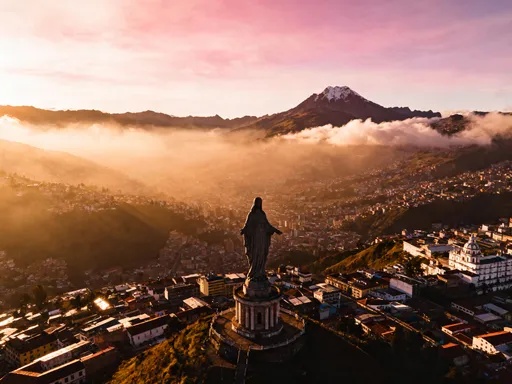
Rising 656 feet (200 meters) above the surrounding city, El Panecillo is Quito’s most recognizable vantage point. Its name, meaning “little bread loaf” in Spanish, refers to the hill’s rounded shape. At its summit stands the imposing aluminum statue of the Virgin of Quito, officially known as the Virgen de El Panecillo, stretching 45 feet (14 meters) tall with wings outstretched. Erected in 1976, the statue has become a spiritual and visual landmark, visible from many parts of the city.
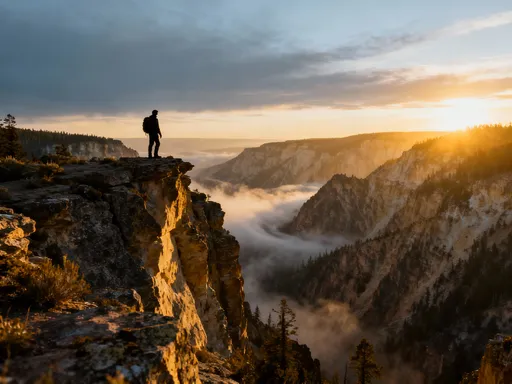
From this elevated perch, photographers are treated to a sweeping 360-degree panorama that encapsulates Quito’s essence. To the east, the historic center unfolds like a map, with red-tiled roofs and church spires arranged in orderly chaos. To the west, the modern districts climb the slopes of Pichincha, their glass towers glinting in the afternoon sun. On exceptionally clear days, the distant peaks of Cayambe and Antisana volcanoes emerge on the horizon, adding a sense of scale and wilderness. Sunset is widely regarded as the best time to visit, when the western sky ignites in hues of orange and purple, backlighting the city and casting long, dramatic shadows.
Access to El Panecillo is straightforward and affordable. Taxis readily take visitors from the historic center or northern neighborhoods for a modest fare. Public buses also serve the area, though they require more local knowledge. Once at the base, a short uphill walk leads to the main viewing platform. There is no entrance fee, making it one of the most accessible premium viewpoints in the city. A circular walkway surrounds the base of the statue, allowing for unobstructed shots in every direction. Staircases inside the monument lead to an observation deck within the Virgin’s pedestal, offering a slightly higher perspective and unique framing opportunities.
For those seeking quieter moments, arriving just before sunrise offers a different kind of beauty. The city emerges from darkness gradually, streetlights twinkling like stars before fading into dawn. Morning fog often pools in the valley, creating a sea of clouds beneath the hilltop—a surreal effect particularly striking in long-exposure photography. Because El Panecillo faces west, it does not receive direct morning light, so using a tripod and adjusting shutter speed is essential for capturing clean, noise-free images.
While the site is safe and well-maintained, photographers should remain mindful of their surroundings. Keep gear secure, especially in crowded conditions, and avoid setting up tripods in high-traffic areas. The site also hosts small vendors selling souvenirs and snacks—interacting respectfully with them can lead to authentic portrait opportunities. Whether bathed in golden sunset or shrouded in morning mist, El Panecillo remains a non-negotiable stop for any visual explorer of Quito.
TelefériQo: Riding to the Roof of Quito
For a truly immersive high-altitude experience, the TelefériQo cable car offers one of the most breathtaking ascents in the Andes. Located on the southern slopes of Pichincha Volcano, this modern gondola lifts passengers from 12,500 feet (3,800 meters) to over 13,280 feet (4,050 meters) in just ten minutes. As one of the highest cable cars in the world, it provides direct access to the páramo ecosystem—a high-mountain grassland unique to the northern Andes. The journey itself is a photographic event, with the city shrinking below and the rugged volcano looming ahead.
At the summit, a network of walking trails invites exploration. Even a short hike along the marked paths reveals dramatic shifts in light and terrain. The ground is covered in frailejón plants, their rosette-shaped leaves adapted to capture moisture from passing clouds. These surreal, otherworldly forms make compelling subjects, especially when framed against the vast sky. On clear days, the view extends across the entire Quito valley, with the city laid out like a patchwork quilt. The contrast between the wild, untamed páramo and the structured urban sprawl below creates powerful visual narratives about nature and civilization.
Photographers must prepare for the conditions at this altitude. The air is significantly thinner, which can lead to shortness of breath, dizziness, or fatigue—especially for those not yet acclimated. It’s advisable to spend at least one or two days in Quito before attempting the climb. Move slowly, stay hydrated, and carry a light snack. These precautions ensure you remain focused and steady behind the lens. Additionally, cold winds are common at the summit, so dressing in layers is essential. A windproof outer shell will protect both you and your equipment.
Camera performance can also be affected by altitude and temperature. Batteries drain faster in cold conditions, so carry spares and keep them warm in an inner pocket. Lenses may fog up when transitioning between environments, so store them in sealed bags when moving from heated spaces to the outdoors. Despite these challenges, the lighting at TelefériQo is exceptional. The high elevation means less atmospheric interference, resulting in sharper, more vivid images. Sunrise is particularly magical—when the first rays hit the snow-dusted peaks and illuminate the cable car against a pinkening sky.
The site includes a restaurant, restrooms, and a small interpretive center with information about the local flora and geology. While the main summit area can get busy during weekends and holidays, venturing even 15 minutes down the trail leads to quieter spots perfect for contemplative shots. Whether capturing the vastness of the Andes or the delicate details of alpine flora, TelefériQo offers a profound sense of elevation—not just physically, but creatively.
Hidden Gems: Off-the-Beaten-Path Viewpoints
Beyond the famous landmarks, Quito harbors several lesser-known viewpoints that offer intimacy and authenticity. These spots attract fewer tourists, allowing photographers to capture the city’s soul without the distraction of crowds. Two of the most rewarding are Mirador de Guápulo and Parque Itchimbía, each offering distinct perspectives and atmospheres.
Mirador de Guápulo, nestled in a quiet residential neighborhood east of the historic center, overlooks a deep ravine where the Guápulo Church perches on a cliffside. The viewpoint is accessed via a scenic staircase lined with flowers and religious icons, creating a poetic entry to the scene. From here, the composition includes the red-tiled roof of the church, cascading greenery, and the city skyline in the distance. Early evening brings warm, directional light that enhances the textures of stone and foliage. Because this area is primarily residential, visitors should maintain a respectful presence—avoid loud conversations, keep pathways clear, and ask before photographing residents.
Parque Itchimbía, located on a hilltop between the historic and modern sectors, was once a landfill but has been transformed into a peaceful green space with panoramic views. The park features a glass-enclosed observation deck that provides unobstructed sightlines to both old and new Quito. It’s especially beautiful at twilight, when the city’s lights begin to sparkle. Benches and shaded walkways make it a comfortable place to wait for the perfect light. Unlike busier sites, Itchimbía retains a local feel—couples strolling, children playing, elders chatting on benches—offering opportunities for genuine, unposed moments.
Another hidden gem is the viewpoint near the Church of El Sagrario, just south of Plaza Grande. Few tourists venture here, yet it offers a stunning frontal view of the Metropolitan Cathedral with minimal obstructions. Arriving early on a weekday allows for tripod use and careful framing without interference. These off-the-beaten-path locations remind us that great photography often comes from curiosity and exploration, not just checklist tourism. They invite slower, more intentional seeing—the kind that leads to images filled with mood, memory, and meaning.
Street Art & Urban Vistas in La Floresta
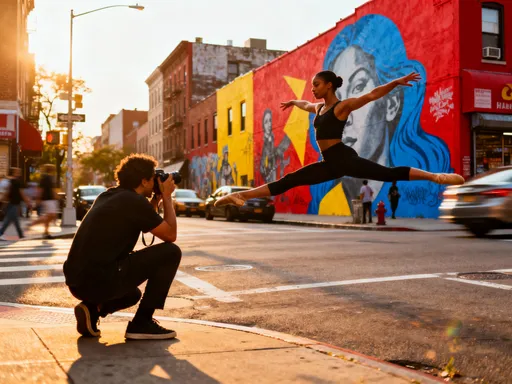
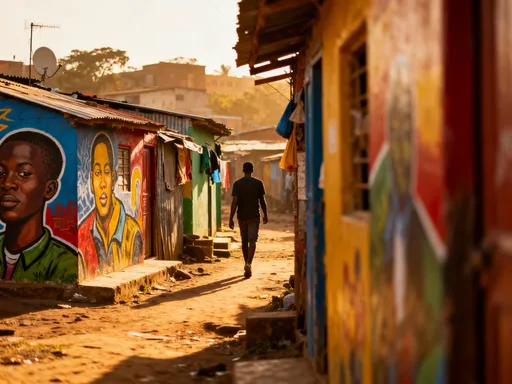
La Floresta, a bohemian neighborhood perched on the western hills of Quito, pulses with creative energy. Once a quiet residential area, it has evolved into a hub for artists, musicians, and independent designers. Its steep, winding streets are lined with colorful murals that transform blank walls into open-air galleries. For photographers, La Floresta offers a dynamic fusion of urban landscape and artistic expression, where every turn reveals a new composition.
The murals here range from large-scale abstract pieces to intricate portraits of cultural icons, indigenous leaders, and mythical figures. Many carry social or environmental messages, reflecting Ecuador’s rich biodiversity and complex history. Photographing these works is not just about capturing color and form, but understanding context. Engaging with local artists—or reading the plaques sometimes placed near installations—adds depth to your images. A portrait of a Kichwa elder, for example, gains resonance when you learn about the community’s connection to the Andean land.
What makes La Floresta truly special is how the art integrates with the natural topography. Murals often curve around corners or extend up staircases, challenging conventional framing. Some are best viewed from across the street, while others invite close inspection. The neighborhood’s elevation also provides sweeping views of the city, creating opportunities to layer street art with distant skylines in a single shot. Use a medium telephoto lens to compress perspective and highlight these layered compositions.
The best time to visit is mid-morning, when sunlight streams down the hillside, illuminating the murals without causing harsh glare. Weekends bring pop-up markets and live music, adding movement and sound to the visual feast. While photographing performers or vendors, always seek permission with kindness and clarity. Many appreciate the interest and may even share stories behind their crafts. La Floresta reminds us that photography is not just about taking pictures—it’s about building connections and honoring the voices behind the visuals.
Maximizing Your Shot: Practical Photography Tips for Quito
To make the most of Quito’s visual offerings, preparation is key. Start with gear selection. A wide-angle lens (16–35mm) is invaluable for capturing expansive cityscapes and tight colonial plazas. A 50mm prime lens delivers excellent clarity for portraits and architectural details, while a zoom lens (70–200mm) helps isolate distant subjects like church domes or mountain peaks. If you’re using a smartphone, take advantage of night mode and portrait mode, and consider a compact tripod for stability during low-light shots.
Weather in Quito can shift quickly, especially in the afternoons when clouds roll in. Always carry a lightweight rain cover for your camera, and store extra batteries in insulated pockets to preserve charge. A polarizing filter can reduce glare on wet cobblestones and enhance sky contrast. Because many sites involve walking on uneven terrain, wear comfortable, non-slip shoes and use a secure camera strap.
Lighting is one of Quito’s greatest assets. The golden hours—shortly after sunrise and before sunset—are consistently rewarding. During these times, the low-angle sun wraps buildings in warm tones and creates long shadows that add dimension. The blue hour, just after sunset, is ideal for capturing city lights with a natural gradient in the sky. Use manual settings to balance exposure between bright artificial lights and dark foregrounds.
When editing your photos, aim for authenticity. Enhance brightness, contrast, and clarity to reflect what you experienced, but avoid over-saturating colors or heavy filters that distort Quito’s natural beauty. Tools like Adobe Lightroom or Snapseed allow precise adjustments while preserving detail. Share your work with captions that honor the places and people you photographed—this not only deepens your own connection but educates others about the culture you encountered.
Finally, remember that the best photographs often come from patience and presence. Wait for the right light, the right gesture, the right moment when everything aligns. Let Quito reveal itself at its own pace. In doing so, you’ll create not just images, but visual stories that endure.
Capturing More Than Just Images
Quito is more than a backdrop for beautiful photographs—it is a living, breathing city where history, nature, and culture converge. Every viewpoint, whether crowded or secluded, offers not just a vista, but a vantage point into a way of life shaped by altitude, equatorial light, and centuries of tradition. As photographers, we have the privilege of witnessing these moments, but also the responsibility to honor them.
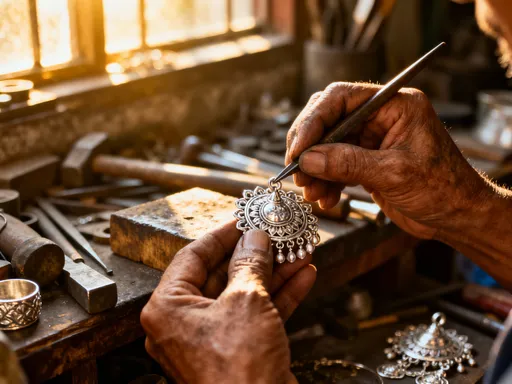
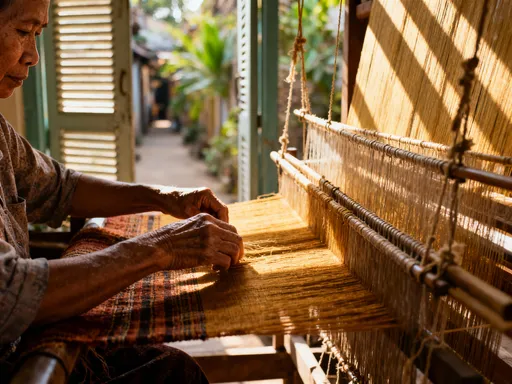
The most powerful images are those that capture emotion, context, and connection. A child’s smile in Plaza Grande, the weathered hands of an artisan, the quiet majesty of dawn over Pichincha—these are the moments that resonate long after the trip ends. By slowing down, observing deeply, and engaging respectfully, we move beyond mere documentation into the realm of storytelling.
Let Quito inspire you to explore with curiosity, humility, and care. Carry not just your camera, but an open heart. In return, the city will offer its secrets—one frame at a time. Whether you’re a seasoned photographer or a traveler with a smartphone, Quito invites you to see differently, feel deeply, and remember vividly. So pack your gear, trust your eye, and step into the light. The perfect shot awaits—not just in front of your lens, but within the experience itself.