Through the Lens of Culture: Chasing Light and Life in New York’s Beating Heart
You know that feeling when a city just pulses with energy? New York isn’t just buildings and streets—it’s rhythm, color, and raw human expression. As a photographer, I’ve chased moments in countless cities, but nothing compares to capturing cultural life here. From subway dancers to street festivals, every frame tells a story. This is where culture doesn’t perform—it lives. And if you’re holding a camera, you’re not just visiting. You’re witnessing magic. In this journey through the city’s soul, we’ll explore how to see, shoot, and honor the living traditions that make New York one of the most visually rich urban landscapes on Earth.
The Pulse of the City: Why New York is a Photographer’s Dream for Cultural Shots
New York City stands apart as a global epicenter of cultural expression, where every neighborhood breathes its own history, rhythm, and visual language. For photographers, the city offers an unparalleled depth of authentic human experience, unfolding organically in public spaces. Unlike curated museum exhibits or staged performances, the cultural life here is lived—on sidewalks, in bodegas, at bus stops, and on fire escapes. This immediacy makes New York not just a destination, but a living archive of global traditions adapting and thriving in real time.
The city’s unmatched diversity fuels its creative pulse. With residents from nearly every country, New York is home to more languages than any other city in the world. This linguistic and cultural mosaic translates into a visual feast: sari shops nestled beside soul food diners, drum circles echoing under elevated train tracks, and elders playing dominoes in parks while teenagers breakdance nearby. Neighborhoods like Harlem preserve deep-rooted African American heritage through gospel music and Juneteenth celebrations, while Flushing, Queens, offers a vivid window into Chinese, Korean, and Tibetan communities through food, calligraphy, and temple festivals. The Lower East Side, once a gateway for Jewish and Eastern European immigrants, now pulses with Latino artistry and underground performance spaces.
What sets New York apart is not merely its variety, but the density and accessibility of these expressions. Cultural moments happen in plain sight, often without announcement or admission fee. A West African drummer practicing in Union Square, a Puerto Rican grandmother braiding her granddaughter’s hair on a stoop, or a group of Sikh men distributing free meals outside a gurdwara—these are not performances for tourists, but daily rituals captured in their natural habitat. For photographers, this means that the most powerful images often come from stillness and observation, not intrusion.
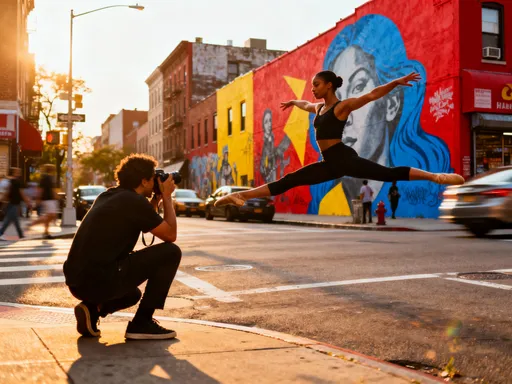
Timing and presence matter far more than technical gear. The best shots emerge from patience—waiting for the right light to cut across a face, for a child to burst into laughter during a parade, or for a dancer to leap just as the subway doors close. While high-end cameras can help, the real tools of the trade are awareness, empathy, and the willingness to return to the same corner again and again. In New York, culture reveals itself slowly, and those who linger are rewarded with intimacy and truth.
Catching Culture in Motion: Street Festivals and Seasonal Events Worth Shooting
Street festivals are the heartbeat of New York’s cultural calendar, offering photographers dynamic, high-energy scenes filled with color, movement, and emotion. These events are not only visually spectacular but also deeply rooted in community identity and history. Among the most iconic is the West Indian American Day Carnival, held annually on Labor Day in Brooklyn. What begins as a quiet morning along Eastern Parkway transforms into a river of sound and color, with thousands in elaborate costumes dancing to soca and steelpan music. The visual drama is unmatched—feathers towering above glittering headdresses, children riding on parents’ shoulders in miniature versions of adult costumes, and the constant flash of gold against sunlit skin.
For photographers, the key to capturing the carnival’s essence lies in preparation and perspective. Arriving early allows access to quieter moments before the parade swells—the last-minute adjustments to costumes, the nervous excitement of young performers, the elders watching proudly from folding chairs. Wide-angle lenses help convey the scale, while telephoto shots can isolate individual expressions amid the crowd. Lighting shifts dramatically throughout the day; morning offers soft, even illumination, while midday sun creates bold contrasts that can be used creatively. Most importantly, moving with respect through the procession—never blocking views or disrupting dancers—is essential to maintaining trust and access.
Another standout event is the Lunar New Year celebration in Chinatown, a vibrant fusion of tradition and urban life. The dragon dance, with its undulating fabric body carried by a dozen performers, weaves through narrow streets lined with red lanterns and firecrackers. The air fills with smoke and the scent of incense, creating a hazy, dreamlike atmosphere ideal for atmospheric photography. Close-ups of drummers’ hands, the intricate embroidery on costumes, or a child’s wide-eyed wonder offer intimate counterpoints to the grand spectacle. Timing is critical—arriving by 10 a.m. ensures a front-row view before streets become impassable.
The Village Halloween Parade, one of the largest of its kind in the world, presents a different kind of cultural expression—one built on imagination, transformation, and collective joy. Stretching from Sixth Avenue to Hudson Street, the parade draws tens of thousands in handmade costumes, from delicate puppets to towering kinetic sculptures. The lack of barriers between performers and spectators creates a fluid, participatory energy. Photographers benefit from using slower shutter speeds to capture motion trails of glitter and fabric, or black-and-white settings to emphasize form and contrast. Because the parade runs at night, mastering low-light techniques is crucial. Small LED lights worn by participants or reflections in puddles can become unexpected compositional elements.
Across all these festivals, the photographer’s role is not just to document, but to feel. The most compelling images arise when the camera operator becomes part of the rhythm—moving with the crowd, responding to shifts in energy, and recognizing the fleeting moments that define cultural celebration. These events are not static tableaus but living performances, and the best photographs honor their temporality and emotional depth.
Beyond the Postcard: Hidden Cultural Corners That Deliver Powerful Images
While Times Square and the Statue of Liberty dominate tourist imaginations, the soul of New York’s culture lives in quieter, less-visited spaces. These hidden corners—often overlooked by guidebooks—offer photographers the chance to capture authenticity without the glare of commercialization. In Queens, the Sikh gurdwara on 74th Street opens its doors every weekend for langar, the community meal served freely to all, regardless of background. The scene inside is one of quiet dignity: rows of people sitting cross-legged on the floor, volunteers ladling out dal and rice, children helping to wash dishes. The lighting is soft, often coming from overhead fluorescents diffused by steam, creating a serene, almost sacred atmosphere. Photographing here requires permission and discretion, but the resulting images—hands passing bowls, elders smiling, young people serving—carry a profound sense of unity and service.
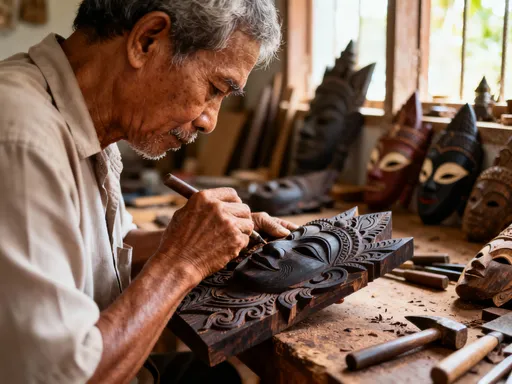
In the Bronx, a small workshop tucked behind a hardware store preserves the tradition of vejigante mask-making, a Puerto Rican art form with roots in African, Taíno, and Spanish cultures. These colorful, horned masks, used during Carnival and festivals, are carved from coconut husks or papier-mâché and painted in bold patterns. The artist, often working at a kitchen table, moves with precision and pride, each cut carrying generations of meaning. A photographer who takes the time to listen and learn gains access not just to the process, but to the story behind it—the migration of families, the survival of rituals in a new land, the pride of cultural continuity. Close-up shots of tools, paintbrushes, and hands shaping the masks reveal texture and care, while portraits of the artist, framed by hanging creations, speak to identity and resilience.
Brooklyn’s underground jazz scene offers another intimate cultural window. In basements, church halls, and converted storefronts, weekly jam sessions draw musicians from across the city. These gatherings are not performances for profit, but acts of artistic communion. The lighting is often dim—string lights, floor lamps, the glow of a phone—but this low visibility enhances the mood, focusing attention on expression rather than perfection. A saxophonist lost in improvisation, a bassist nodding to the rhythm, an audience member closing their eyes in recognition—these are moments of pure cultural transmission. Photographers must move quietly, avoid flash, and earn the room’s trust through stillness and respect. The reward is access to a world where music is not entertainment, but a language of belonging.
What unites these spaces is their resistance to spectacle. They are not designed for cameras, which makes them all the more valuable for authentic storytelling. The photographer’s task is not to extract, but to witness—to approach with humility, to listen before shooting, and to recognize that some of the most powerful images are those that take time to emerge. In these hidden corners, culture is not performed. It simply is.
Light, Shadow, and Rhythm: Mastering the Visual Language of Urban Culture
Capturing the essence of cultural life in New York requires more than a good eye—it demands a deep understanding of light, motion, and composition in unpredictable environments. Unlike studio photography, where conditions are controlled, urban cultural scenes unfold in shifting light, crowded spaces, and rapid sequences of action. Success lies in adapting techniques to the moment, using the city itself as both subject and collaborator.
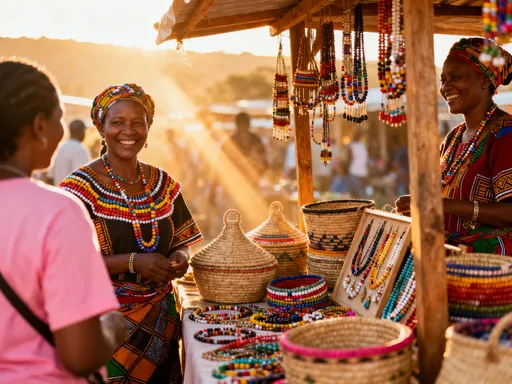
Natural light plays a central role, especially in indoor or shaded settings where artificial lighting is limited. In a dimly lit church basement during a gospel rehearsal, for example, the only illumination may come from a single window or a string of Christmas lights. In such cases, increasing ISO sensitivity and using wide apertures (f/1.8 to f/2.8) allow for handheld shooting without flash, preserving the mood and avoiding disruption. Backlighting—such as a singer silhouetted against a stained-glass window—can create dramatic, emotionally charged images. Similarly, in outdoor markets, the interplay of sunlight and shadow through awnings or trees adds depth and texture, turning ordinary scenes into visual poetry.
Motion is another defining feature of cultural expression in the city. Dance, procession, and celebration are inherently kinetic, and freezing the action with a fast shutter speed may capture clarity but lose rhythm. Intentional motion blur—achieved with shutter speeds between 1/15 and 1/4 second—can convey energy and flow. A whirling dancer in a Carnival costume, a drummer’s hands mid-strike, or a child running through a fountain become expressions of movement rather than static poses. Panning, where the camera follows a moving subject, keeps the figure sharp while blurring the background, emphasizing speed and direction.
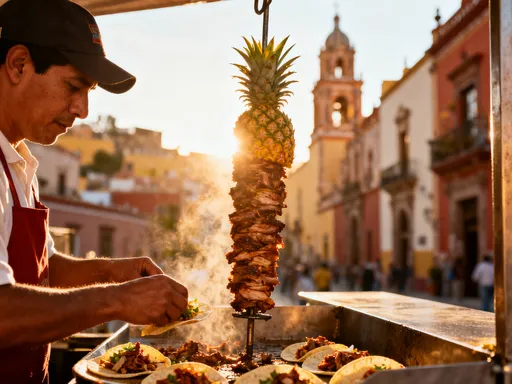
Framing is equally important. Cultural photography gains power when subjects are shown within their environment, not isolated from it. A street vendor selling tamales should be photographed with the steam rising from his cart, the graffiti behind him, the customers waiting in line. This contextual framing tells a fuller story—of labor, community, and place. Conversely, tight detail shots—hands kneading dough, a wrinkled hand holding a prayer bead, feet in traditional sandals—can evoke intimacy and universality. Alternating between wide and close perspectives creates a narrative rhythm, guiding viewers through the experience.
Color, too, serves as a storytelling tool. The vibrant reds and golds of a Lunar New Year dragon, the rainbow layers of a Carnival costume, the deep indigo of a West African wrapper—these hues carry cultural meaning. Shooting in RAW format allows for greater control in post-processing, ensuring colors remain true without oversaturation. At the same time, black-and-white photography can strip away distraction, focusing attention on form, expression, and contrast. A grayscale image of an elder playing chess in a park, his face lined with experience, speaks across language and culture.
Mastery comes not from rigid rules, but from responsiveness. The best cultural photographers learn to read the scene—to anticipate a laugh, a leap, a moment of silence—and to adjust settings instinctively. In New York, where everything moves fast, the ability to see, feel, and shoot in harmony with the moment is the true mark of artistry.
The Ethics of the Frame: Respecting Subjects While Telling True Stories
Photographing cultural life in New York carries a profound ethical responsibility. Every image taken is a representation—not just of a person, but of a community, a tradition, and a lived experience. The camera, while a tool of observation, can also become an instrument of intrusion if used without care. Therefore, the most important skill a photographer can develop is not technical proficiency, but moral awareness.
Respect begins with presence. Before raising the camera, it is essential to be present—not as a tourist, but as a guest. This means spending time in a space without shooting, building familiarity, and allowing people to become comfortable with your presence. In a Sikh gurdwara, for instance, simply sitting and sharing a meal before asking to photograph demonstrates respect for the practice of langar. In a jazz basement, listening through an entire set before lifting the lens shows reverence for the music and the musicians.
Consent is not always verbal, but it must be clear. In crowded festivals, general public photography is often accepted, but close-ups of individuals—especially children or elders—require permission. A smile, a nod, a gesture of the camera—these small acts can establish trust. If someone turns away or raises a hand, the moment is not for capturing. There are times when the right decision is to lower the camera entirely: during a funeral procession in Harlem, a private prayer in a mosque, or a moment of grief at a community memorial. These are not photo opportunities, but sacred spaces that must be honored through restraint.
Exploitation occurs when culture is reduced to spectacle—when images are taken to satisfy curiosity rather than convey truth. Avoiding this means resisting the urge to focus only on the exotic or dramatic. A photograph of a man in a full Carnival costume is compelling, but so is one of him packing up beads after the parade, tired but smiling. Both are real. Both deserve to be seen. The goal is not to capture the most colorful moment, but the most honest one.
Finally, photographers must consider how images will be used. Sharing on social media, exhibiting in galleries, or publishing in books—all carry implications. Captions should provide context: names when possible, cultural significance, and the story behind the scene. Reducing a person to “a street vendor” or “a dancer” strips them of dignity. Calling them by name, if known, or describing their role in the community restores it. Ethical photography does not seek to take, but to give back—to honor, to preserve, and to connect.
From Snapshots to Stories: Curating and Sharing Your Cultural Images
A single photograph can capture a moment, but a series tells a story. For photographers documenting New York’s cultural life, the process does not end when the shutter closes. The real work begins in selection, sequencing, and presentation. Not every technically perfect image is the most meaningful. The most powerful photographs are those that carry emotional truth—the glance between two lovers at a salsa night, the concentration of a child learning a dance step, the quiet pride of an elder teaching a craft.
Curating a collection requires stepping back from personal attachment and asking: What narrative emerges? Does this sequence show arrival, participation, and departure? Does it balance celebration with reflection? A strong edit might begin with a wide shot of a festival gathering, move to details of preparation, focus on individual portraits, and end with a quiet aftermath—empty chairs, a discarded mask, a streetlight glowing in the rain. This arc mirrors the rhythm of lived experience, inviting viewers not just to see, but to feel.
Captions are not afterthoughts—they are essential to ethical storytelling. A photo of a woman in a sari at a Diwali celebration gains depth when accompanied by a sentence about her family’s migration from Gujarat, or the meaning of the oil lamps behind her. When names are known, they should be used. When not, descriptions should be specific and respectful: “a community volunteer at the Queens Caribbean Day Parade” rather than “a random dancer.” This practice affirms personhood and resists the flattening of identity.
Sharing work—whether online, in print, or in exhibitions—should prioritize dignity over virality. Social media rewards sensationalism, but cultural photography thrives on nuance. Instead of chasing likes, photographers can use platforms to educate, to credit sources, and to link to community organizations. Exhibitions in local libraries, cultural centers, or schools create space for dialogue and return visibility to the communities represented. When possible, sharing prints with subjects—handing a photo to the man who danced in the rain, or the woman who cooked the feast—transforms the act of photography into one of reciprocity.
In this way, the camera becomes more than a recorder. It becomes a bridge—one that connects viewer to subject, past to present, stranger to neighbor. The images we share shape how culture is seen, remembered, and valued. Let them reflect not just what we saw, but how we saw it—with care, with humility, and with heart.
Why This Matters: How Cultural Photography Connects Us Beyond the Lens
At its core, cultural photography is not about aesthetics—it is about empathy. In a world increasingly divided by ideology, distance, and misunderstanding, the act of truly seeing another person’s life becomes a radical gesture. Every photograph that captures a grandmother singing a lullaby in her native tongue, a teenager learning a traditional drum pattern, or a community sharing a meal is a quiet assertion of shared humanity. These images do not erase difference; they honor it, and in doing so, they build connection.
New York, with its relentless pace and towering structures, can feel impersonal. But through the lens of cultural photography, we rediscover the city as a collection of intimate moments—of resilience, joy, and continuity. We see how traditions travel across oceans and adapt to new soil, how music and food and dance become languages of survival and celebration. We see that culture is not static, but alive—shaped by memory, reshaped by the present.
For photographers, especially those who may come from outside a community, this work is a privilege. It requires setting aside assumptions, listening deeply, and recognizing that we are guests in stories not our own. The camera does not grant ownership. It grants access—and with that access comes responsibility.
As you walk the streets of New York with your lens, remember this: you are not just capturing light. You are preserving legacy. You are bearing witness to the quiet miracles of everyday life. And in sharing those images with care, you invite others to see not just a city, but a mosaic of lives—interwoven, vibrant, and worthy of honor. So go out. Shoot with intention. Listen before you click. And let your photographs do what the best art always does: open hearts, deepen understanding, and remind us that we belong to each other.