You Won’t Believe This Hidden Side of Krabi
Think you know Krabi? Think again. Beyond the crowded beaches and tourist trails, there’s a quieter, wilder side hiding in plain sight—protected areas where nature still calls the shots. I’m talking untouched mangroves, silent limestone forests, and coastal wonders most travelers never see. This isn’t just another island escape; it’s a chance to reconnect with nature on its own terms. Let’s dive into the lesser-known heart of southern Thailand.
Revealing Krabi’s Untouched Core
Krabi is best known for its postcard-perfect beaches, dramatic limestone cliffs, and turquoise waters that draw millions of travelers every year. Railay Beach, Phi Phi Islands, and Ao Nang dominate postcards and travel itineraries, and for good reason—they are breathtaking. Yet behind these famous facades lies a different kind of beauty, one preserved not for spectacle but for survival. Scattered across the province are protected natural reserves that remain largely unseen by mainstream tourism. These areas—peat swamps, national parks, and marine sanctuaries—serve as vital refuges for biodiversity and offer a rare opportunity for visitors to experience nature in its most authentic form.
These protected zones matter far beyond their borders. They act as ecological anchors, stabilizing water cycles, filtering pollutants, and providing habitat for countless species, many of which are found nowhere else. More than that, they offer a different kind of travel experience—one rooted in stillness, observation, and respect. In an age where many destinations are strained by over-tourism, Krabi’s quiet corners stand as a reminder that not every place needs to be discovered to be valuable. In fact, their value increases precisely because they are not overrun.
Visiting these areas isn’t about ticking off another sight; it’s about shifting perspective. It’s about understanding that conservation and travel can coexist when done thoughtfully. The Thai government, in collaboration with local communities and environmental organizations, has established these protected areas not to keep people out, but to ensure that those who enter do so with care. This balance is delicate, but essential. As travelers, we have the power to support or undermine it with every choice we make—from the tours we book to the paths we walk.
Thung Daeng Peat Swamp Forest: Nature’s Ancient Pulse
One of the most remarkable yet under-visited natural treasures in Krabi is the Thung Daeng Peat Swamp Forest, part of a rare and ancient ecosystem that stretches across southern Thailand and into Malaysia. Covering over 130 square kilometers, Thung Daeng is one of the largest intact peat swamp forests in Southeast Asia. Unlike the sandy beaches and coral reefs typically associated with Krabi, this wetland thrives on waterlogged, nutrient-poor soil, where decomposition is so slow that organic matter accumulates over centuries, forming deep layers of peat. The result is a landscape that feels prehistoric—silent, misty, and alive with subtle signs of life.
Visitors to Thung Daeng walk on elevated wooden boardwalks that wind through the forest, minimizing impact while offering close-up views of pitcher plants, orchids, and towering dipterocarp trees. The air is thick with humidity, and the only sounds are the distant calls of hornbills, the rustle of monitor lizards in the underbrush, and the occasional plop of a fish breaking the water’s surface. Birdwatchers may spot the rare Malayan peacock-pheasant or the woolly-necked stork, both of which rely on this habitat for survival. The forest also supports clouded leopards, barking deer, and even the elusive sun bear, though sightings are extremely rare and should never be expected.
What makes Thung Daeng truly special is its tranquility. Visitor numbers are intentionally kept low, with access limited to guided tours only. This ensures that the ecosystem remains undisturbed and that travelers move through the forest with awareness and respect. Strict rules prohibit littering, loud noises, and straying from the boardwalks. Drones, flash photography, and feeding wildlife are strictly forbidden. These measures are not about restricting enjoyment—they are about preserving a fragile system that cannot withstand careless interaction.
Scientifically, peat swamps like Thung Daeng play a critical role in carbon sequestration. The accumulated organic matter stores vast amounts of carbon, helping to mitigate climate change. When these forests are drained or burned, as has happened in other parts of Southeast Asia, that carbon is released into the atmosphere, accelerating global warming. Protecting Thung Daeng is not just about saving a local habitat; it’s about contributing to a global environmental solution. For travelers, walking through this quiet forest becomes more than a nature hike—it becomes a lesson in ecological interconnectedness.
Khlong Phanom National Park: Where Jungle Meets Waterfall
Just inland from the Andaman coast lies Khlong Phanom National Park, a hidden gem that blends dense rainforest, freshwater rivers, and cascading waterfalls into one immersive wilderness experience. Unlike the more developed parks in Thailand, Khlong Phanom sees relatively few visitors, allowing its ecosystems to thrive with minimal human interference. The park spans over 300 square kilometers and is home to a network of trails that lead to secluded pools, natural rock slides, and jungle-fed waterfalls like Namtok Huai To and Namtok Huai Pae. These aren’t the kind of waterfalls you find packed with selfie-takers—they’re places where the only footprints in the mud might be your own.
The journey into Khlong Phanom begins with a short boat ride across the Khlong Phanom River, followed by a guided trek through the forest. Local rangers or certified community guides lead the way, sharing knowledge about medicinal plants, animal tracks, and the seasonal rhythms of the jungle. The air is rich with the scent of damp earth and wild ginger, and sunlight filters through the canopy in soft, dappled patterns. Along the way, travelers may spot gibbons calling in the distance, monitor lizards basking on sunlit rocks, or schools of freshwater fish darting through crystal-clear streams.
One of the park’s most celebrated features is its pristine water quality. The rivers here are fed by underground springs and untouched forest watersheds, making them some of the cleanest in southern Thailand. Local communities rely on these waters for drinking, farming, and fishing, which is why conservation efforts are deeply rooted in both environmental and cultural values. Strict regulations prohibit swimming in certain zones during breeding seasons, and camping is only allowed in designated areas to prevent soil erosion and pollution.
Visiting Khlong Phanom responsibly means following the guidance of local experts, staying on marked trails, and leaving no trace. The park is open year-round, but the best time to visit is during the cool, dry season from November to February, when trails are less slippery and water levels are ideal for exploration. During the rainy season, some paths may be closed due to safety concerns, but this temporary inaccessibility is part of what keeps the park so well preserved. For those willing to make the journey, Khlong Phanom offers a rare chance to experience the jungle not as a backdrop, but as a living, breathing world.
The Role of Marine Protected Zones Along Krabi’s Coast
While much of Krabi’s fame comes from its islands and beaches, the true health of its coastal ecosystems depends on what lies beneath the surface. Along the Andaman Sea, a network of marine protected zones has been established to safeguard coral reefs, seagrass meadows, and critical fish breeding grounds. These areas, often invisible to the casual beachgoer, are essential for maintaining the balance of marine life that supports both biodiversity and local fisheries. Without them, the vibrant underwater world that draws snorkelers and divers would quickly degrade due to overfishing, anchor damage, and pollution.
One of the most effective strategies in these zones is the use of low-impact tourism. Kayak-based eco-tours, for example, allow visitors to explore mangrove channels and shallow reefs without disturbing the seabed. Unlike motorized boats, kayaks produce no emissions and create minimal noise, reducing stress on marine animals. In areas like the Hong Islands and parts of the Than Bok Khorani National Park, access is restricted during certain months to allow coral and fish populations to recover. Snorkeling is permitted only in designated zones, and touching or standing on coral is strictly prohibited.
Local communities play a vital role in monitoring and protecting these marine areas. Fishermen who once relied solely on daily catches are now trained as eco-guides, reef monitors, and conservation educators. This shift not only reduces pressure on fish stocks but also creates sustainable livelihoods that align with environmental goals. In some villages, community-led patrols help enforce no-fishing zones and report illegal activities like dynamite fishing or coral harvesting. These efforts are supported by regional conservation programs and international partnerships focused on marine resilience.
For travelers, visiting these protected marine zones is an opportunity to witness conservation in action. A quiet paddle through a mangrove channel might reveal juvenile fish sheltering among the roots, or a glimpse of a blacktip reef shark gliding through the shallows. These moments are not staged or guaranteed—they are the natural result of careful stewardship. By choosing responsible operators and following local guidelines, visitors become part of the solution rather than a source of harm.
How to Visit Responsibly—Without Breaking the Rules
Exploring Krabi’s protected areas is a privilege, not a right, and doing so responsibly requires preparation, awareness, and respect. The first and most important step is to hire certified local guides. These individuals are trained in safety, environmental education, and park regulations, and their knowledge enhances the experience while ensuring compliance with conservation rules. Whether trekking through Khlong Phanom or paddling through a marine reserve, a qualified guide helps minimize impact and maximizes understanding.
Entry permits are required for many of these areas, and they should be obtained through official channels or authorized tour operators. These permits are not just bureaucratic formalities—they are tools for managing visitor numbers and funding conservation efforts. Skipping the permit process undermines the very systems designed to protect these places. Similarly, drone use is prohibited in most national parks and protected zones without special permission. While drones can capture stunning aerial footage, their noise and presence can disturb wildlife, particularly nesting birds and shy mammals.
Waste management is another critical consideration. Visitors should carry out everything they bring in, including food wrappers, water bottles, and biodegradable items like fruit peels, which can introduce non-native seeds or disrupt soil chemistry. Sticking to marked trails prevents trampling of sensitive vegetation and reduces the risk of starting wildfires during dry periods. Sunscreen use should be limited to reef-safe formulas, as chemical sunscreens containing oxybenzone and octinoxate have been shown to damage coral larvae and contribute to bleaching.
Choosing eco-conscious tour operators makes a tangible difference. Look for companies that are certified by recognized sustainability programs, employ local staff, contribute to conservation funds, and prioritize small group sizes. These operators often partner with park authorities and NGOs to support reforestation, beach cleanups, and environmental education. By supporting them, travelers help ensure that tourism benefits both nature and communities.
Why These Places Feel Different—The Quiet Magic of Protection
There is a distinct quality to being in a protected area—a stillness that cannot be replicated in commercialized spaces. In Thung Daeng, the absence of engine noise allows the whisper of wind through palm fronds to become audible. At Khlong Phanom, the mist rising from the river at dawn feels like the forest breathing. These are not just scenic moments; they are sensory invitations to slow down, listen, and observe. The contrast with Krabi’s popular beaches is striking: no loud music, no crowds, no souvenir stalls—just the natural rhythms of the environment.
This quiet magic has a profound emotional effect. Many visitors describe feeling a sense of peace, clarity, or even reverence when immersed in these spaces. Psychologists have long recognized the mental health benefits of spending time in nature, particularly in undisturbed environments. The reduction in sensory overload, the connection to living systems, and the awareness of being a guest in a fragile world all contribute to a deeper, more meaningful travel experience. It’s the difference between seeing a place and feeling a part of it.
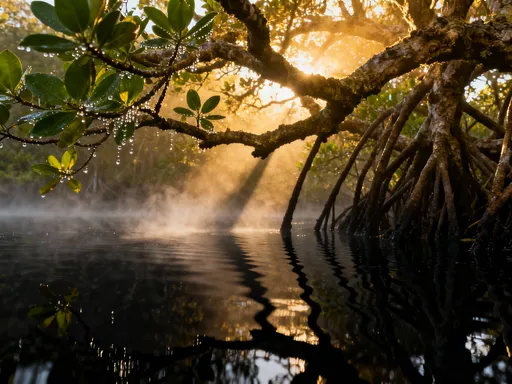
These protected areas also challenge the modern travel mindset that equates value with visibility. Social media often rewards the loudest, most photographed destinations, but the quietest places can offer the richest rewards. A single sighting of a rare bird, the reflection of mangrove roots in still water, or the cool rush of a jungle waterfall—these are not moments meant for viral content. They are personal, fleeting, and deeply felt. In choosing to visit these places with care, travelers reclaim a slower, more intentional way of exploring the world.
The Future of Travel in Protected Areas: Balance and Awareness
The long-term survival of Krabi’s protected areas depends on a delicate balance between access and preservation. Sustainable tourism models offer a promising path forward, where visitor fees support conservation work, local communities benefit from eco-jobs, and education fosters greater environmental stewardship. However, challenges remain. Illegal logging, overfishing near buffer zones, and unregulated development continue to threaten these ecosystems. Climate change adds another layer of pressure, with rising sea levels and increasing storm intensity affecting coastal and marine habitats.
The role of travelers in this equation cannot be overstated. Every decision—where to stay, what to do, how to behave—has ripple effects. Choosing to explore beyond the mainstream, to follow rules, and to support ethical practices is not a sacrifice; it is an investment in the future of travel itself. As more destinations face the consequences of overtourism, Krabi’s protected areas stand as models of what is possible when nature is given space to thrive.
The true wonder of Krabi is not just in its beauty, but in its resilience. These quiet corners prove that even in a world of constant movement and consumption, there are still places where nature leads. They invite us not to conquer or capture, but to witness and protect. So the next time you plan a trip to southern Thailand, consider stepping off the beaten path. Seek the stillness, honor the rules, and let the land speak for itself. In doing so, you won’t just discover a hidden side of Krabi—you’ll help ensure it remains hidden, wild, and whole for generations to come.